P2 Novice Pilot Course
Club Pilot Rating • 4 Flying Days • 20 Flights
The P2 Novice Pilot Course develops pilots with the knowledge and basic skills necessary to fly and practice without direct instructor supervision, but within significant operating limitations.
Pilots achieve Club Pilot rating and understand the rating system with recommended operating limitations. Master advanced ground handling, controlled inflations in various conditions, and ridge soaring competence.
Complete 20 flights over 4 flying days with demonstrated ridge soaring competence.
Course Excellence
Advanced training for APPI 1 pilot certification
Club Pilot Rating (P2)
Achieve the rating to fly and practice without direct instructor supervision within operating limitations.
High Flight Volume
Complete a minimum of 20 flights over 4 flying days for comprehensive skill acquisition and experience.
Ridge Soaring Competence
Demonstrate required competence in ridge soaring and the execution of extended (30+ minute) flight operations.
Advanced Ground Skills
Master controlled forward and reverse inflations, kiting, and various wind condition launch techniques.
Achieve Club Pilot Independence
The P2 Novice Pilot Course is designed to develop pilots capable of flying and practicingwithout direct instructor supervision, while maintaining significant operating limitations for safety.
This comprehensive program emphasizes advanced ground handling skills including controlled inflations in various wind conditions, kiting techniques, and multiple launch scenarios from no-wind to high-wind situations.
Flight training focuses on precision control, airspeed management, coordinated turns, and advanced maneuvers including big ears, weight shift techniques, and emergency procedures.
Complete 20 flights over 4 flying days with demonstrated ridge soaring competence to achieve your Club Pilot rating.
Official Certification Requirements
Standards and prerequisites for P2 Novice Pilot certification
Club Pilot Rating Achieved
Attain independent flying status within significant operating limitations, verified by certified instructor.
20 Flights Logged (4 Days)
Minimum 20 flights completed over 4 flying days to ensure comprehensive experience in varied conditions.
Logbook and Tasks Completion
All training and safety tasks (takeoff, flight, and verbal) signed off by the APPI certified instructor.
Ridge Soaring Competence
Proven ability to conduct extended flight operations safely and competently near terrain/ridges.
Core Advanced Skill Modules (P2 Focus)
The essential skills that define a Novice/Club Pilot beyond basic flight control.
Extended Flight & Soaring Mastery
Achieve consistent, long flights (30+ minutes) and demonstrate competence in Ridge Soaring operations, including adherence to Ridge Rules and safety protocols.
Thermal & XC Preparation
Master Thermal Flying—the ability to find, center, and efficiently use rising air for height. Apply these skills toward Cross-Country (XC) distance flying basics.
Advanced Wing Control & Handling
Develop Control/Handling for improved wing sensitivity. Practice Active Flying to constantly stabilize the wing in air and manage turbulence effortlessly.
Precision Flight & Landings
Refine Airspeed & Altitude Control. Execute coordinated Weight Shifts for efficient turning and achieve precise, targeted Landings managing approach speed and descent.
Advanced Theory & Meteorology
Gain Advanced Theory knowledge: a deeper study of meteorology (wind gradient, shear) and glider physics to understand wing behavior in various airmasses.
Advanced Take-Off Training
Master various wind conditions and launch techniques
In-Flight Task Requirements
Advanced flight maneuvers and control techniques
Knowledge & Safety Requirements
Verbal demonstrations and emergency procedures
Emergency & Safety Knowledge
Operational Knowledge
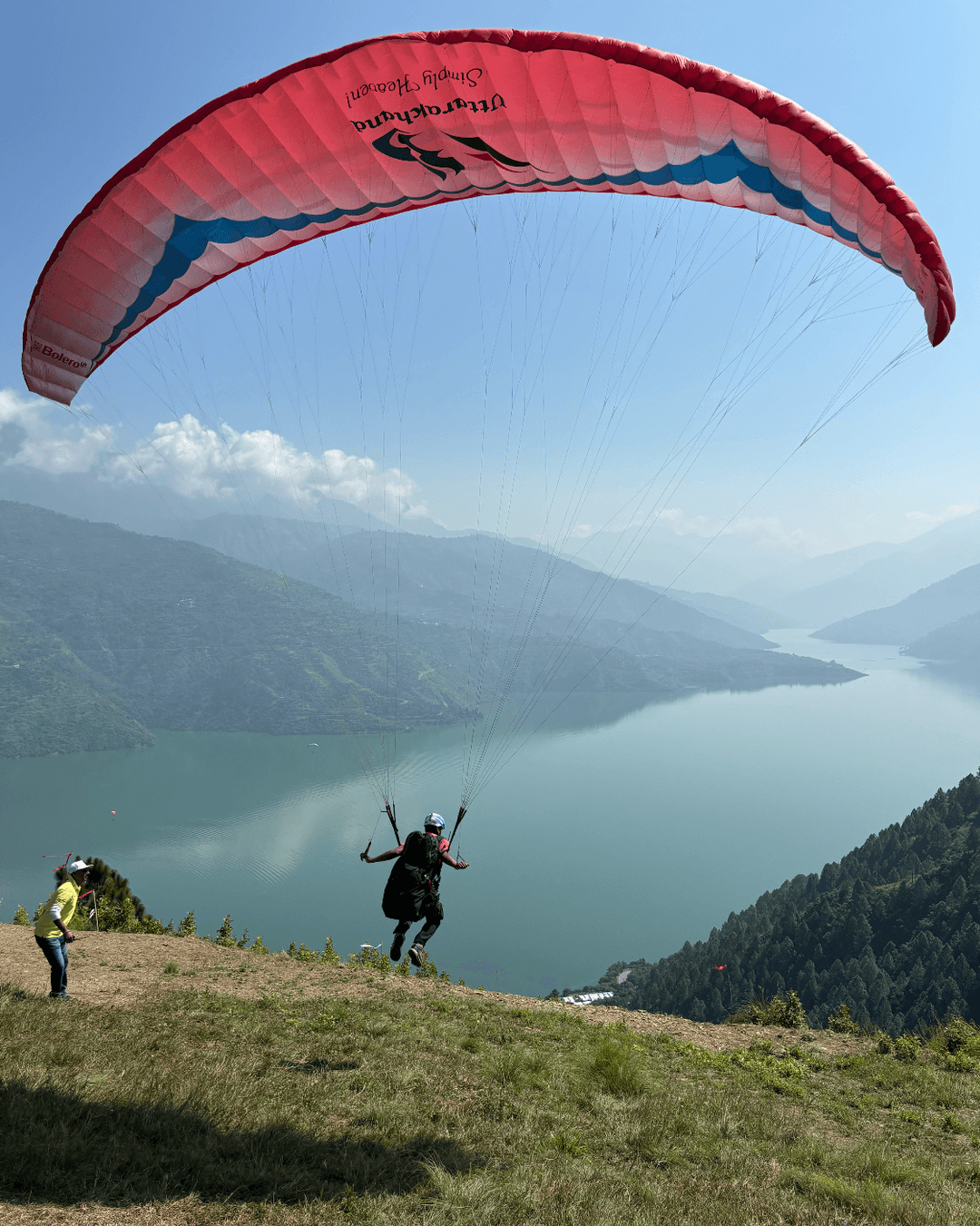
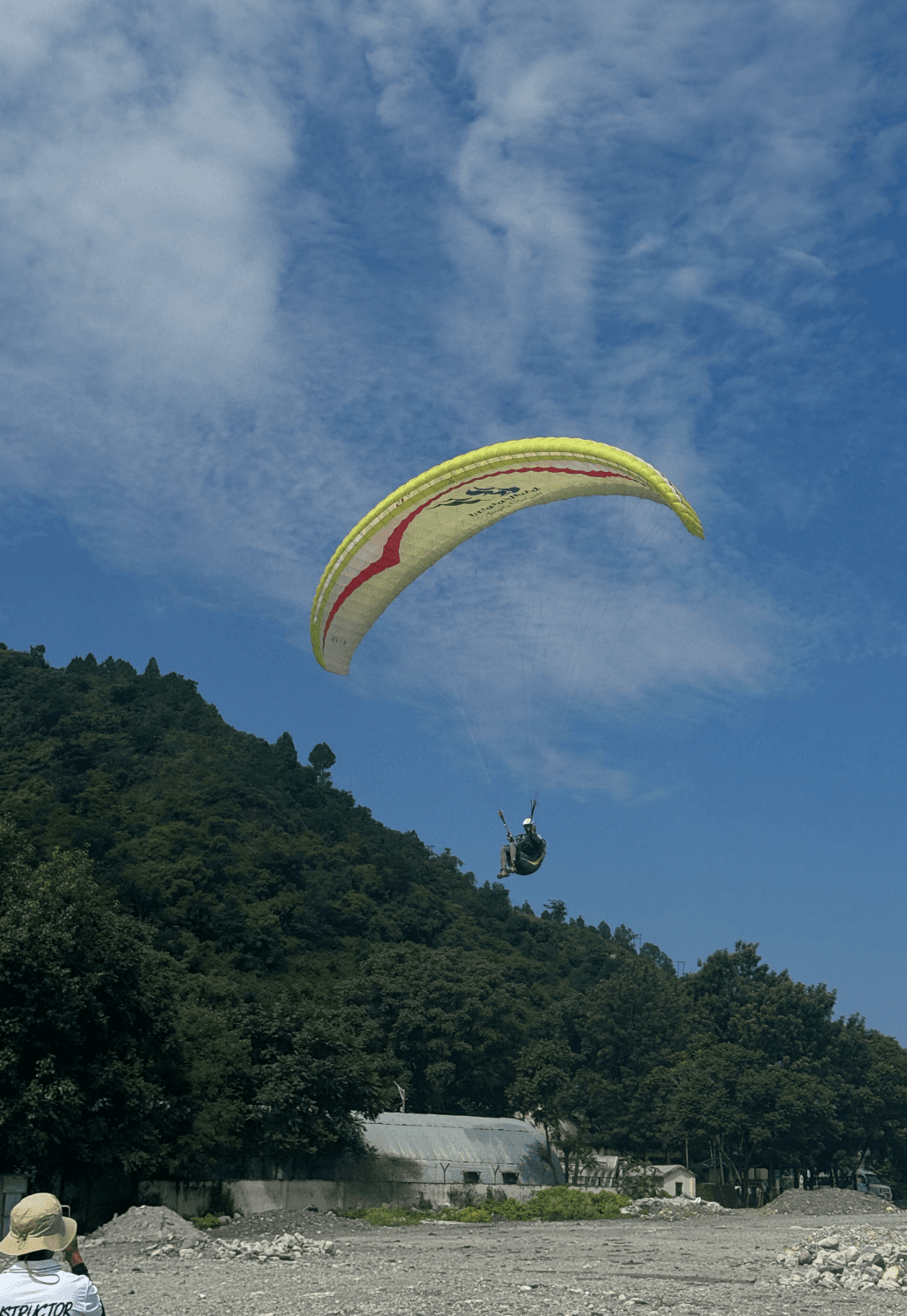
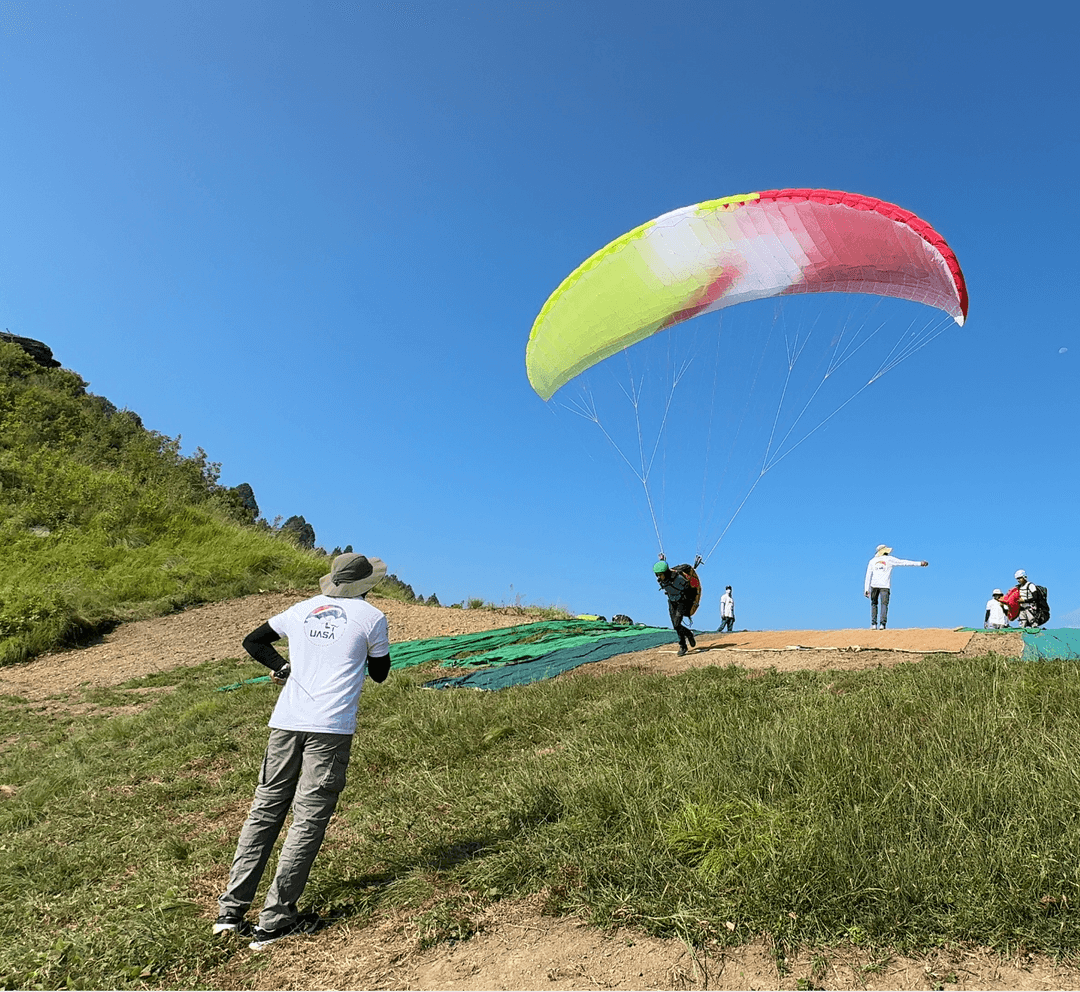
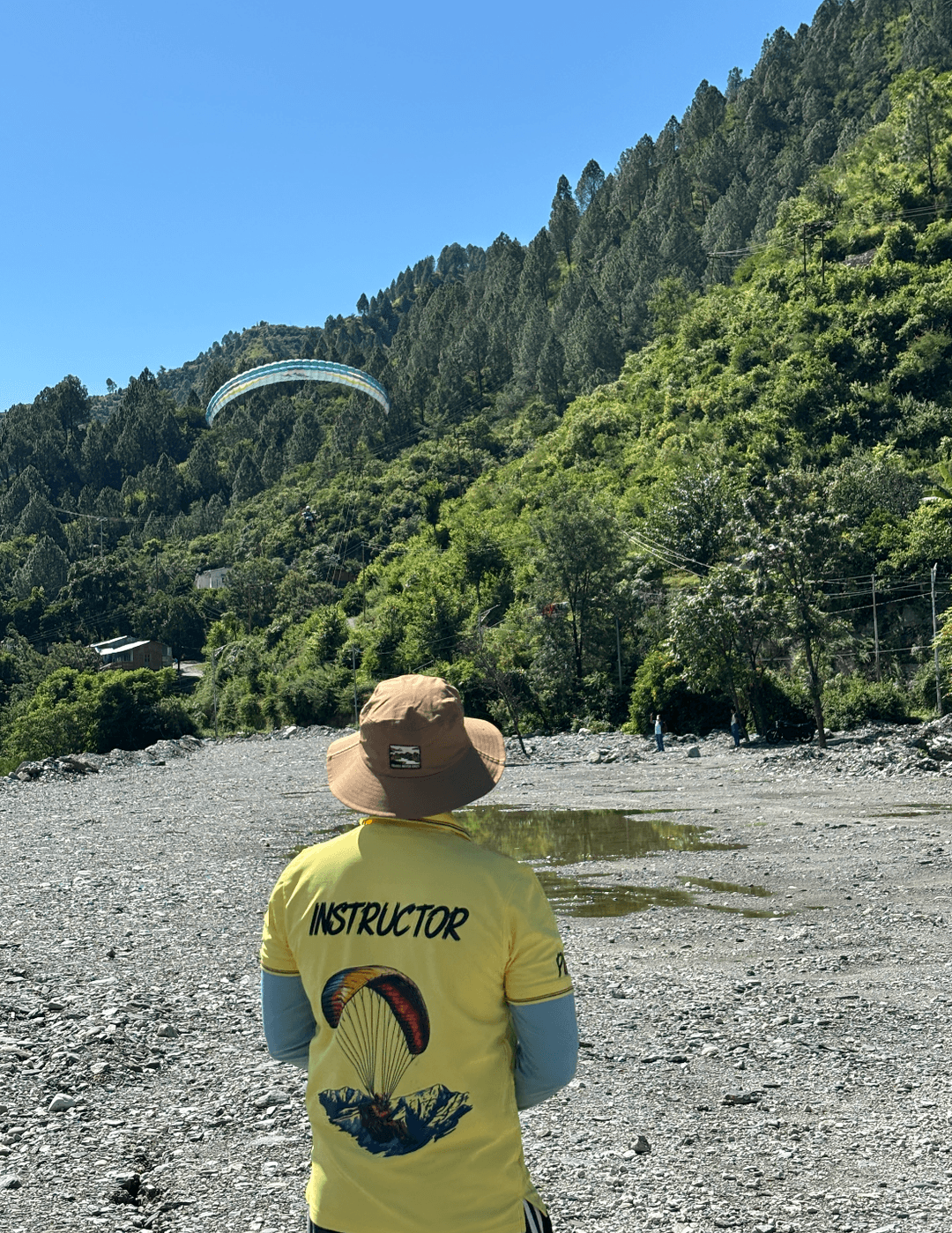
Glimpses of the Sky
A peek into the P2 paragliding journey – from training hills to first solo flight
FAQs: P2 Novice Pilot Basics
Essential information about achieving your initial P2 certification.
The P2 rating grants you the certification to fly independently, without direct instructor supervision, within the operating limitations defined by the school and site regulations. It is the international standard for starting your flying career at Paragliding Mantra in Kamshet.
The P2 course typically requires a minimum of 20 successful flights, usually spread over 4 or more dedicated flying days, depending on weather and student aptitude at Paragliding Mantra in Kamshet.
Yes, all necessary equipment—glider, harness, helmet, radio—is provided for the duration of the course. We highly recommend consulting us before purchasing your own gear at Paragliding Mantra in Kamshet.
Ridge Soaring involves flying along a hill or ridge to stay aloft using dynamic lift (wind blowing up the hill). Competence in basic ridge soaring and safety protocols is a mandatory task for P2 certification at Paragliding Mantra in Kamshet.
The most crucial concept is Active Flying. This involves constant, proactive communication with the wing using the brakes and weight shift to preemptively manage pitch and roll, preventing collapses before they occur. This is key for flight stability at Paragliding Mantra in Kamshet.
We strongly advise against purchasing equipment until you are near certification or are already certified. You need instructor consultation to ensure you purchase a glider and harness suitable for your skill level (EN A or Low B) and weight range at Paragliding Mantra in Kamshet.
The next recommended step is the P2 Advanced Skills Course (focused on advanced ground handling, site assessment, and active flying refinement) before pursuing the P3 (Intermediate Pilot) rating at Paragliding Mantra in Kamshet.
Ready for Club Pilot Rating?
Advance your paragliding skills with our comprehensive P2 Novice course. Master advanced techniques, complete 20 flights, and achieve independent flying capability within limitations.
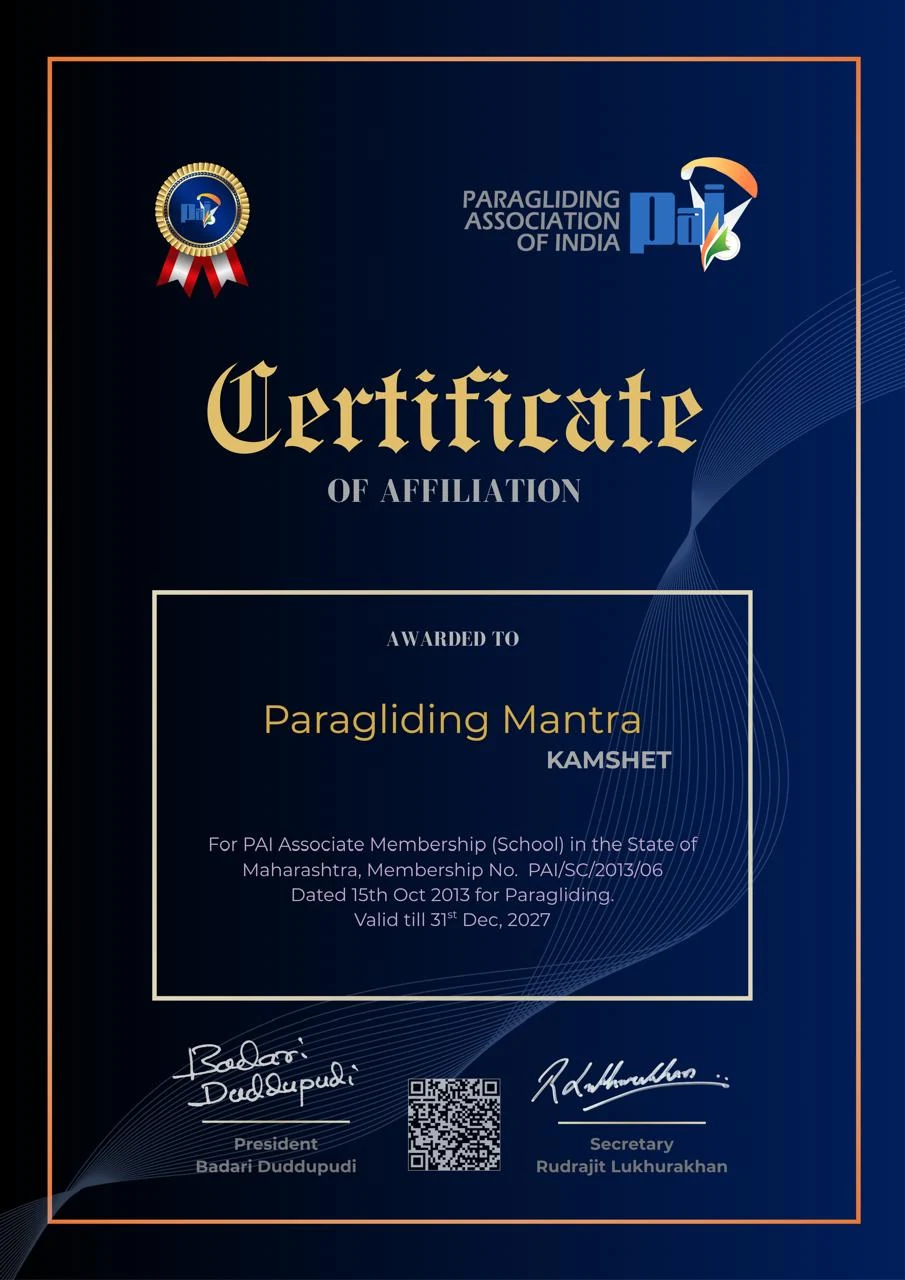
PAI-affiliated paragliding school
The Paragliding Association of India has awarded Paragliding Mantra, Kamshet, Associate Membership as a school in Maharashtra for paragliding.
- Membership
- PAI/SC/2013/06
- Affiliated since
- 15 October 2013