The short version
Prepare for your first tandem paragliding flight with guidance on clothing, health, launch, landing, weather, food, cameras and booking checks.
What a first tandem flight involves
A tandem paraglider is designed for a pilot and passenger. The pilot manages the wing, route and landing while the passenger follows a short set of instructions. No previous flying experience is normally required, but preparation still matters. You need to provide accurate personal details, arrive ready to wait for weather, wear suitable clothing and understand how to move during launch and landing. The activity is collaborative rather than passive: a few seconds of attentive walking or running can support a clean takeoff.
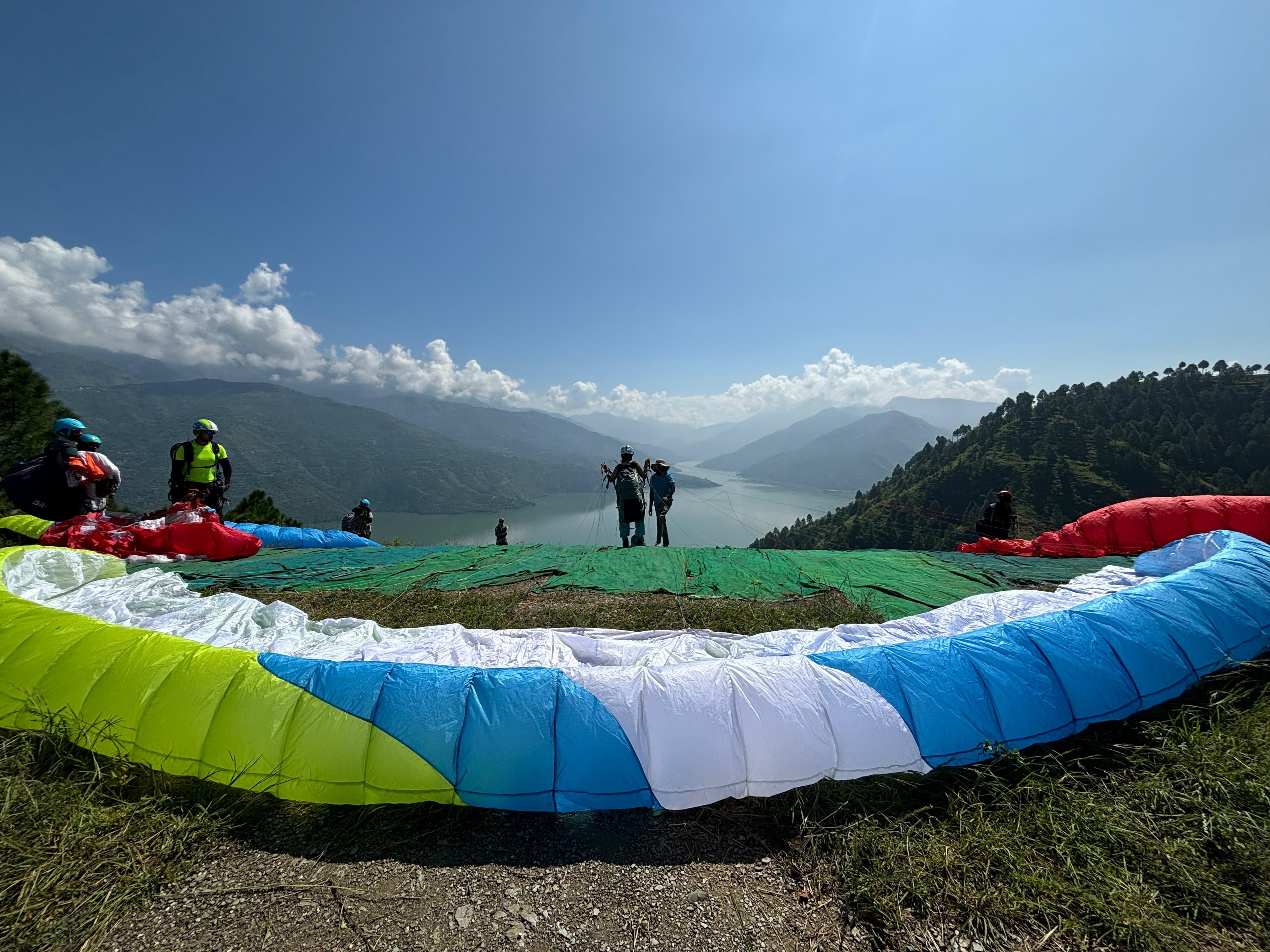
Expect several stages beyond airtime. You may check in at an office, travel in a local vehicle, walk a short distance, wait at launch, receive a briefing, put on equipment, fly, land and return from the landing field. Weather can lengthen any stage. Keep half a day flexible and do not judge the experience only by minutes in the air. The pilot's conservative decision-making is more valuable than an exact schedule.
Complete the booking checks
Confirm the operator, pilot qualification process, package type, approximate airtime, price, payment terms, meeting point, local transport, media and cancellation policy. Ask whether age or weight limits apply and provide an accurate current weight. Tell the team if anyone is a minor, has limited mobility or needs language assistance. Save the confirmation and active contact number. Check again shortly before departure because wind or access may change the reporting instructions.
Choose the right flight. A classic tandem suits most guests seeking scenery and a calm introduction. An instructional tandem is useful when you want explanations and a supervised introduction to controls. Acro is a deliberately more intense experience and requires explicit consent. Do not let a friend or salesperson pressure you into manoeuvres. Tell the pilot what you expect before launch, including whether you are concerned about motion sickness or heights.
Clothing and footwear checklist
Wear closed athletic or trekking shoes with secure laces and dependable grip. Choose trousers, track pants or flexible outdoor clothing that permits a full stride. Bring a light layer in cooler months and breathable sun-protective clothing during warmer weather. Avoid heels, sandals, flip-flops, loose scarves and accessories that can snag or blow away. Tie back long hair. The operator provides technical flight equipment; do not arrive wearing an unapproved action-camera mount or bulky personal harness.
Carry sunscreen, water, a light snack, identification, essential medication and a charged phone. Keep valuables minimal. Ask where your bag will remain during the flight and whether someone will transfer it to landing. Glasses can often be worn if secured, but confirm with the team. Contact lenses may be more comfortable for some guests in moving air. Never hold a loose phone during the launch run or landing.
Food, hydration and health
Eat a normal light meal rather than arriving hungry or immediately after a very heavy meal. Hydrate, especially in March-May heat, but avoid alcohol and recreational drugs. If you are prone to motion sickness, discuss it with a medical professional and tell the pilot. Do not take unfamiliar medication solely on advice from social media. Sleep adequately before an early departure, since fatigue affects attention and road safety.
Disclose pregnancy, recent surgery, significant back or joint injury, heart conditions, seizure history, severe vertigo or anything that could affect running, balance and communication. The operator cannot diagnose medical suitability through a website. Obtain professional medical guidance when uncertain. Being able to stand, move promptly and follow instructions is relevant, but eligibility is individual and also depends on equipment and conditions.
Listen carefully to the launch briefing
The pilot explains where to stand, how the harness feels and what commands will be used. During inflation, face the instructed direction and do not grab lines. When told to move, take committed steps and continue running until the pilot says stop. Do not sit into the harness early and do not jump from the hill. The wing creates lift as the team moves through suitable airflow. If the pilot aborts an inflation, reset calmly; stopping a launch is part of normal control.
Once airborne, wait for the pilot's instruction before settling fully into the seat. Keep hands clear of lines and controls unless invited during an instructional segment. Speak up immediately if a strap feels uncomfortable or you become unwell. Look toward the horizon if that helps with motion. The pilot may avoid turns or begin landing earlier based on your feedback.
Landing and after-flight steps
Before landing, the pilot will explain whether to raise your legs, stand or run. Follow the live command because landing technique varies with wind and terrain. Keep moving until the wing is controlled. Do not unclip yourself; allow the pilot or trained crew to remove the equipment. Check personal belongings, arrange the return transfer and follow the agreed media-delivery process. If you have feedback about discomfort or an unusual event, tell the operator promptly.
The final checklist is straightforward: verify the booking, share honest details, wear secure shoes, eat and hydrate normally, keep time flexible, listen to the briefing and accept weather decisions. Nervousness is common, and asking questions is encouraged. Preparation will not remove every risk from an adventure activity, but it helps the pilot and passenger work as a clear, coordinated team.
Ready to fly?
Now that you know what to expect, pick your format on joyrides - the classic tandem for pure sightseeing or instructional for a hands-on taste. Confirm your slot through contact.