Location
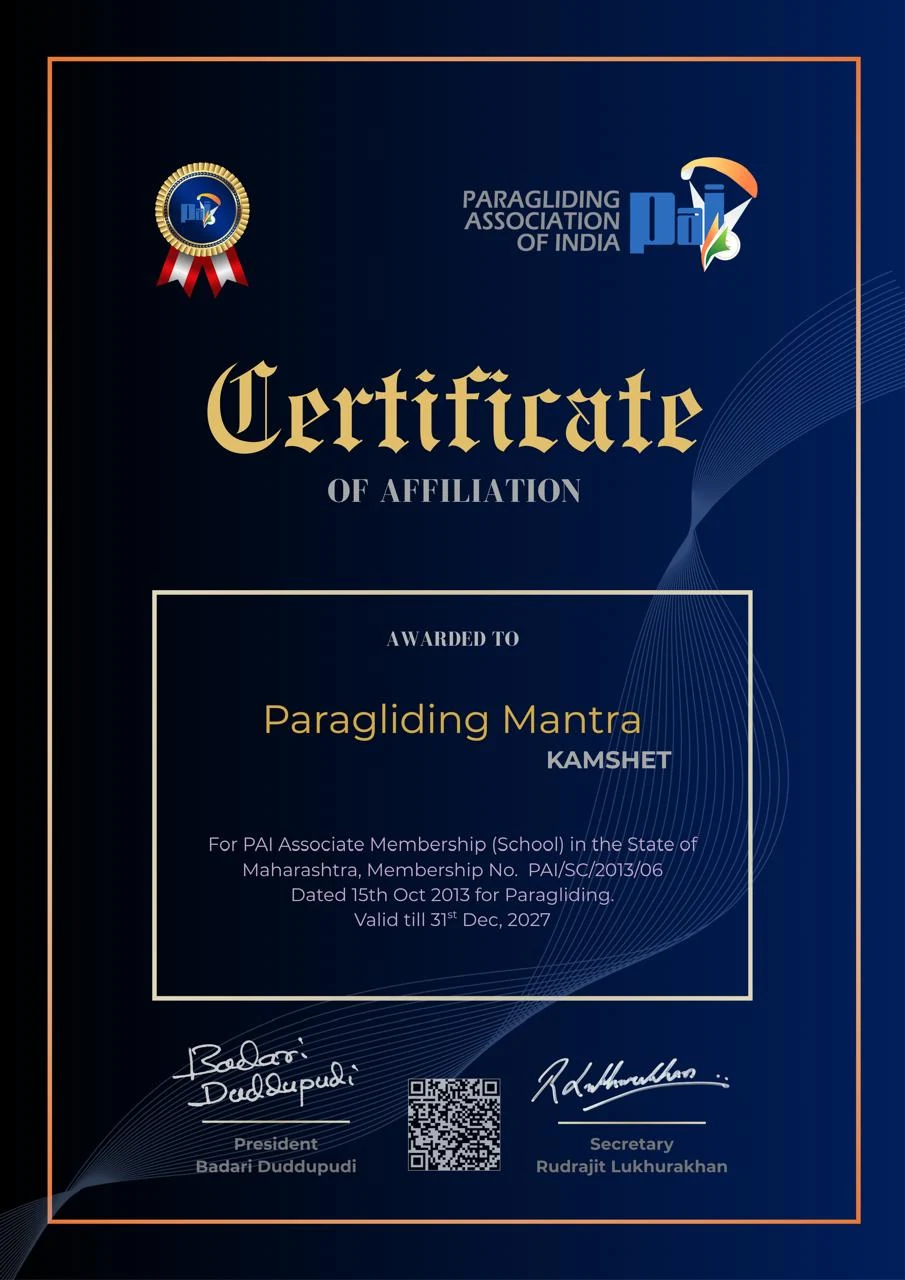
Paragliding Mantra • Kamshet
Students cover all skills, theory, and supervised flights required to achieve these levels within the structured 10-day period.
Prerequisites
Suitable for beginners committed to a faster progression track.
Practical Skills, Theory & Duration
Practical Skills
Launches: Mastering forward & reverse launches in varying wind conditions.
In-Flight: Active piloting (pitch/roll control), coordinated turns, and structured thermal entry.
Soaring: Slope-launch refinement and confidence-building soaring techniques.
Theory & Instruction
Topics: Meteorology fundamentals, airspace awareness, ridge rules, and risk analysis.
Planning: Flight planning, approach setup, and traffic pattern management.
Safety: Emergency procedures, incident avoidance, and safe decision-making frameworks.
Duration & Flights
Flights: Includes 8–12 solo flights, progressively increasing in height and complexity.
Radio-guided flights ensure safe, progressive learning from take-off to landing.
Operational Rights & FAI Information
Prerogatives
APPI Rules
FAI Infos
Continue your progression
Ready for true independence?
Advance to APPI 3 Pilot to master independent site assessment and soaring.
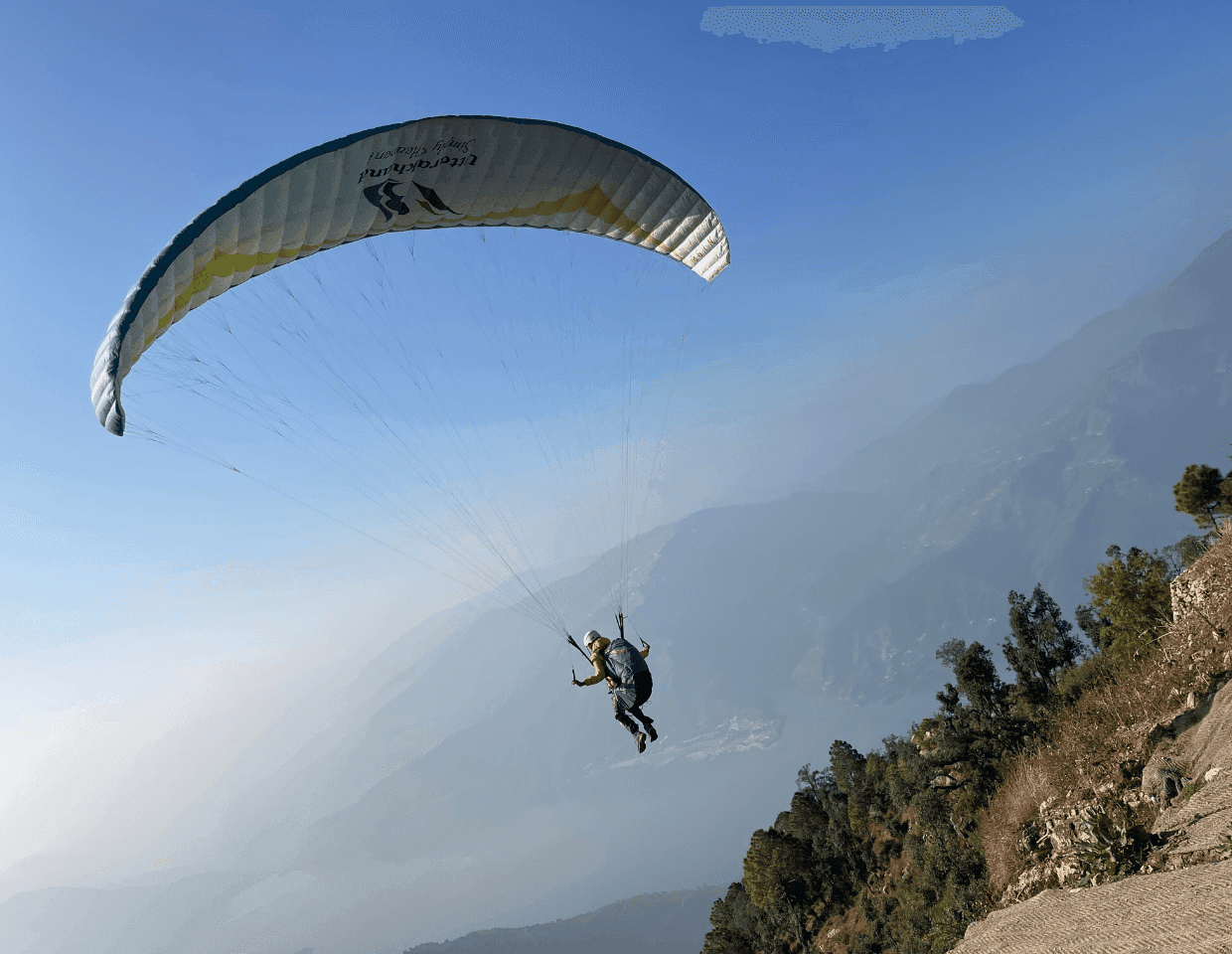
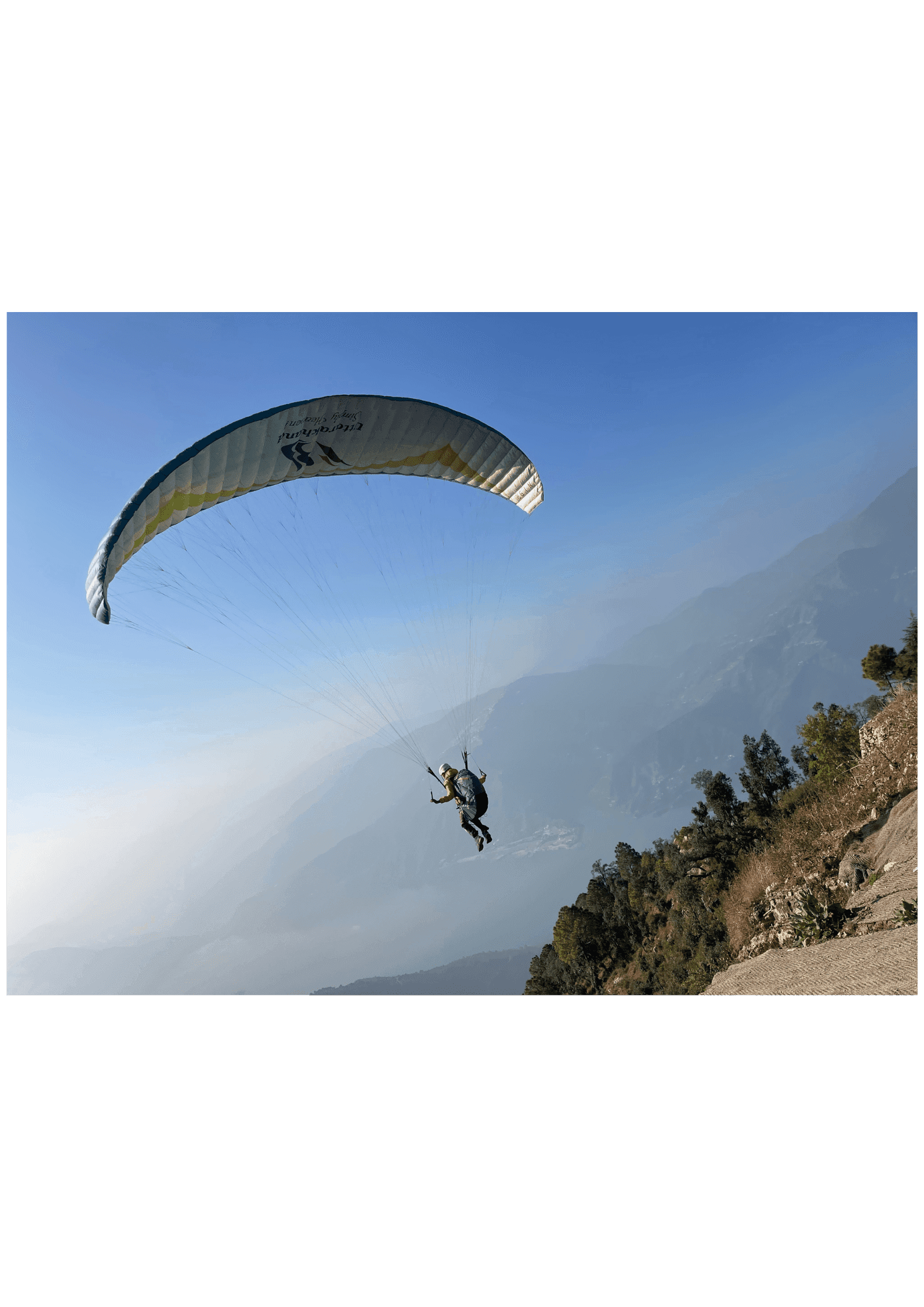
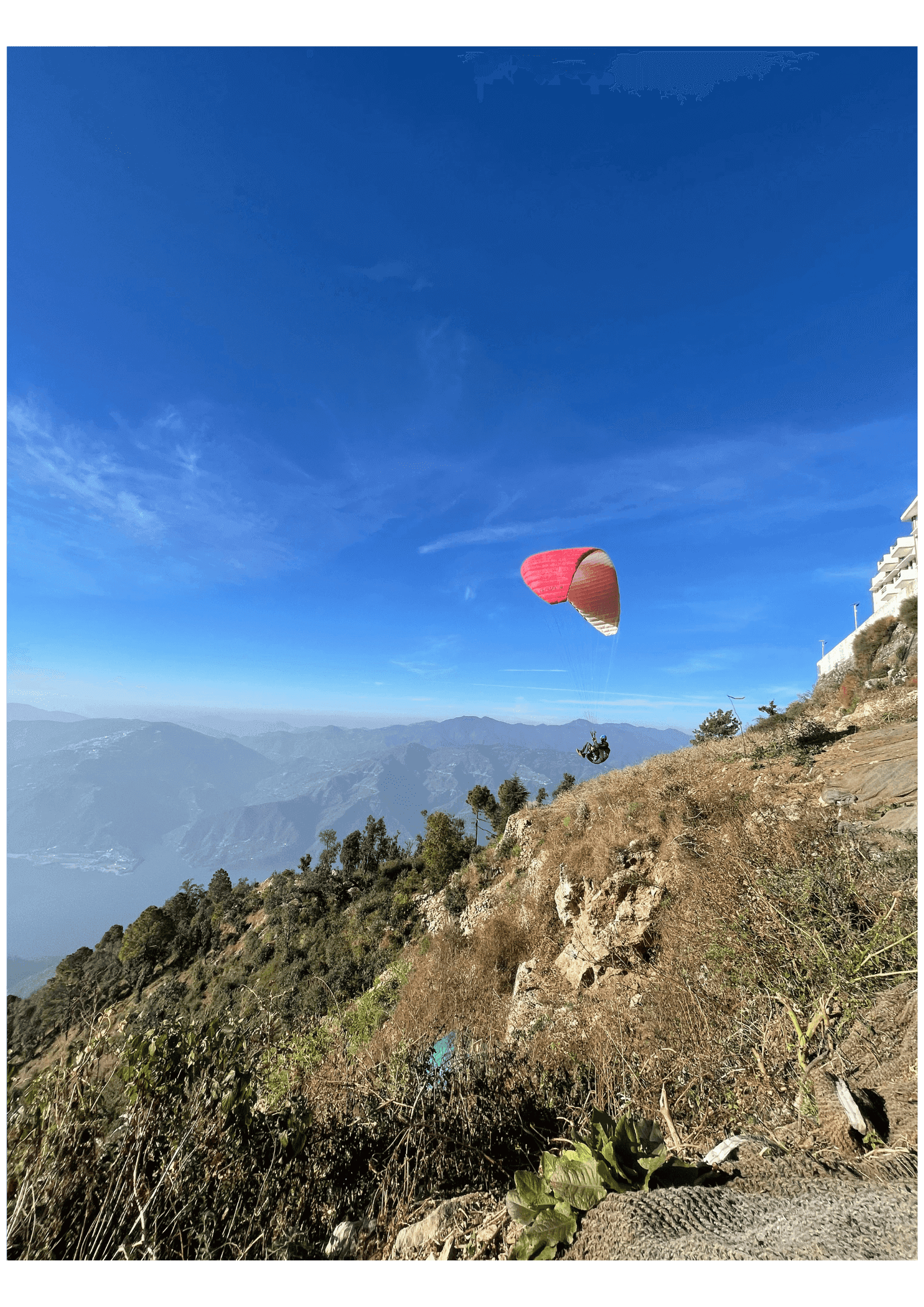
Training Moments at Paragliding Mantra
Frequently Asked Questions
This comprehensive program includes the complete P1 (Beginner), P2 (Novice), and P2 (Advanced) levels, covering all skills and theory required for these stages at Paragliding Mantra in Kamshet.
No. Since the course covers P1 from the beginning, it is suitable for beginners as well as those looking to fast-track their progression to P2 Advanced at Paragliding Mantra in Kamshet.
The course includes 8–12 solo flights, progressively increasing in height and complexity, under radio guidance at Paragliding Mantra in Kamshet.
You will master forward and reverse launches in varying winds, thermal entry, slope soaring, active piloting (pitch/roll control), and coordinated turns at Paragliding Mantra in Kamshet.
The course is exactly 10 days of structured practical and theoretical training, subject to weather conditions at Paragliding Mantra in Kamshet.
Yes. It covers meteorology fundamentals, micro-meteorology recognition, and environmental influences on flight at Paragliding Mantra in Kamshet.
Yes. Training includes equipment inspection, harness setup, and detailed reserve/safety checks at Paragliding Mantra in Kamshet.
Emphasis is placed on safe decision-making frameworks, risk analysis, emergency procedures, incident avoidance, and flying predictable circuits at Paragliding Mantra in Kamshet.
Yes. All necessary paragliding equipment (glider, harness, helmet, radio) is provided for the duration of the training at Paragliding Mantra in Kamshet.
To develop the discipline, awareness, and technical competence required for consistent takeoffs, accurate landings, and the confidence to progress toward independent flying at Paragliding Mantra in Kamshet.