The short version
An instructional tandem lets you control the paraglider over Kamshet with a certified pilot. What you learn, how hands-on it gets, and who should choose it over a joyride.
What makes an instructional tandem different
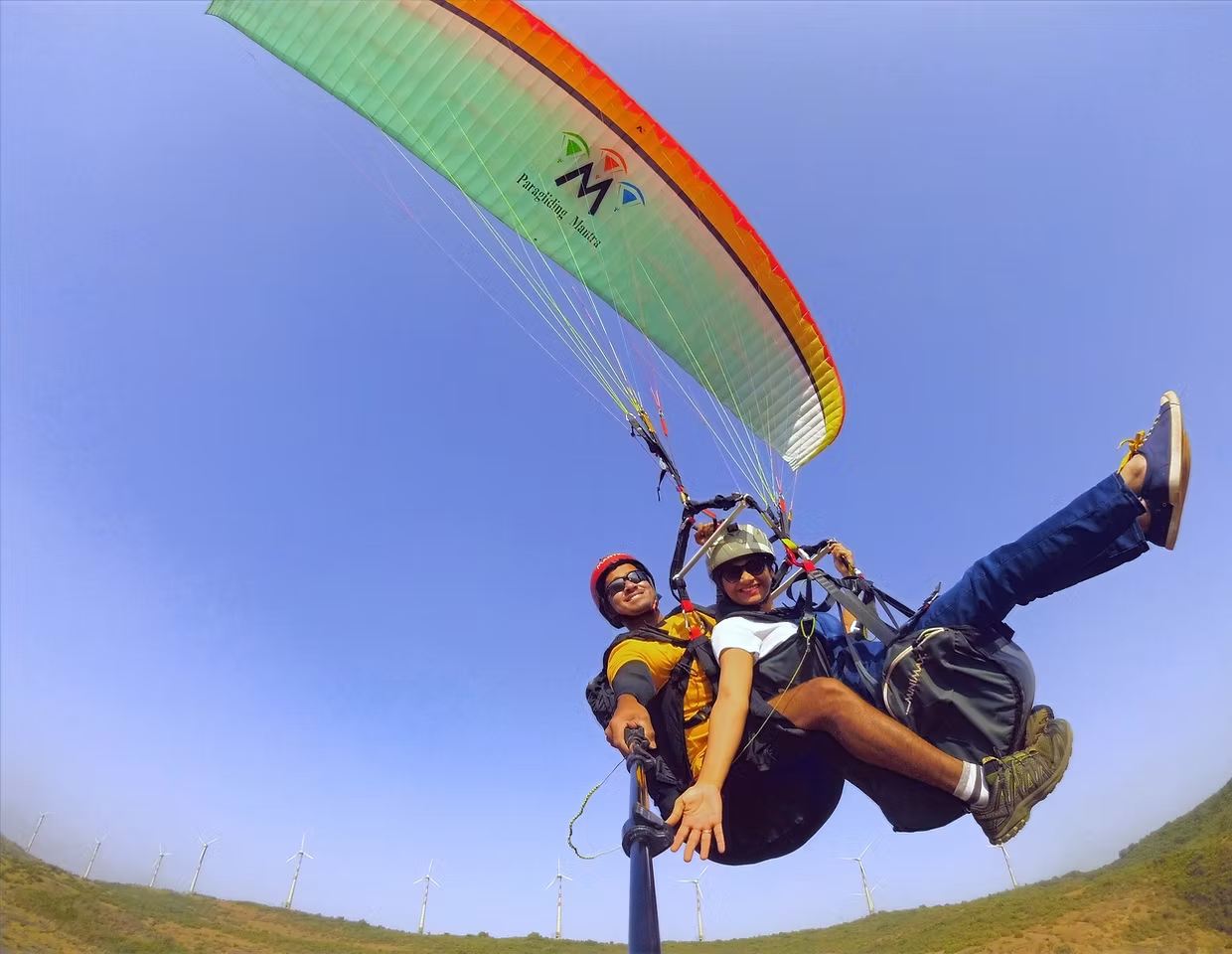
On a classic joyride you sit back and sightsee; on an instructional tandem you become an active crew member. The pilot explains how the wing works, lets you take the brakes and control toggles in suitable air, and talks you through turns, weight shift and what the glider is telling you - a genuine flying lesson, not just a ride.
It is the closest you can get to piloting without enrolling in a course. Many students use it to decide whether they want to commit to P1 training, and many pilots describe it as the flight that turned a passenger into a flyer.
What you actually learn in the air
Once stable and at safe height, the pilot typically hands over the controls and coaches gentle inputs: feel the brake pressure, initiate a turn, feel the glider's response and its energy. You will hear real terminology - brakes, pitch, roll, airspeed - used in context, which makes the concepts stick far better than a ground lecture.
The pilot stays in command throughout; their controls and intervention are always available. Think of it as dual-control driving lessons in the sky - you do the flying, they own the safety margins.
Who should choose instructional over classic
Choose instructional if you are curious about the mechanics of flight, considering a course, or simply want involvement rather than passive sightseeing. It rewards passengers who like understanding what is happening and asking questions mid-flight.
Choose classic if your priority is pure scenery and relaxation, or acro if you want thrills. Our comparison of classic vs instructional vs acro tandems goes deeper if you are still deciding.
What the pilot handles for you
Launch and landing are always the pilot's - the highest-skill phases where their experience matters most. They also manage weather decisions, airspace awareness, other traffic and the flight plan. Your hands-on time happens in the calm, high, controlled middle of the flight.
You will still be fully briefed before launch on run-up, posture and commands, because even as a 'student passenger' your launch role matters. The difference is that the lesson continues once airborne rather than ending at take-off.
What it looks like in practice
The reels below show instructional and student flying with our team - notice the calm, coached pace. That is the real texture of an instructional tandem: not dramatic, but quietly transformative.
Learning to fly, mid-flight
From instructional tandem to a real course
If the lesson clicks, the natural next step is structured training. A P1 beginner course takes you from ground handling to supervised solo flights; after that, P2 and the club-pilot pathway build independence. Our paragliding courses in India page maps the full progression.
Book the instructional tandem through contact and tell the team you are evaluating training - we can schedule extra debrief time so you leave with a clear picture of what learning to fly would actually involve.
What a good hands-on session covers
A well-run instructional tandem is structured: pre-flight theory on how the wing flies, a clear handover phrase so you know exactly when control passes to you, coached turns and speed control in smooth air, then the pilot resumes command for the approach and landing. Nothing is improvised.
You will feel how little pressure a paraglider actually needs to turn - most beginners over-control at first, and the pilot's coaching is largely about softening inputs. That single realisation is worth the flight for anyone considering a P1 course.
Instructional tandem or a full course?
If you are certain you want to learn, skip the trial and enrol in P1 - it is the cheaper path per skill gained. The instructional tandem exists for the genuinely undecided, for people who want one memorable flying lesson without a course commitment, and for pilots' friends and family who want to understand what their partner does up there.
There is also a middle path: some students take an instructional tandem first, then start P1 within the same trip once the nerves settle. Tell the team your intent when booking and they will schedule accordingly.