The short version
Compare paragliding, parasailing and paramotoring by launch method, power, control, location, training, sensation and suitability.
The three sports are not interchangeable
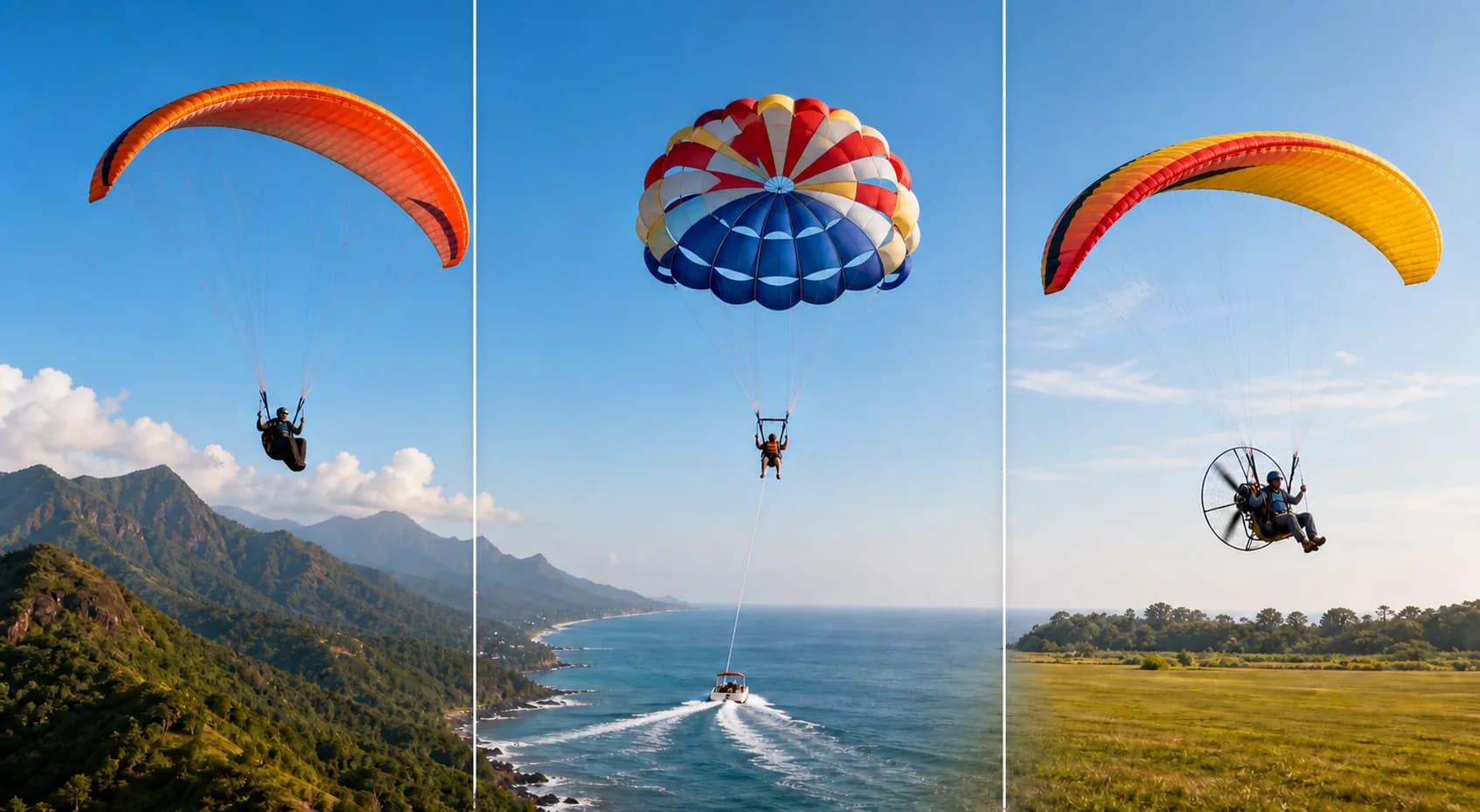
Paragliding, parasailing and paramotoring all place a person beneath a fabric wing, but the similarity largely ends there. Paragliding is free flight: a pilot launches from a slope or through an approved towing system and uses gravity, rising air and aerodynamic control without an engine. Parasailing normally lifts a participant behind a moving boat or vehicle while the tow operator controls most of the route. Paramotoring combines a paraglider-style wing with an engine and propeller worn by the pilot or mounted on a trike. Understanding the power source and who controls the journey makes the choice much easier.
The Paragliding Association of India maintains separate rating frameworks for paragliding and powered paragliding, reflecting meaningful differences in skills, equipment and operating environments. A commercial experience may use casual marketing language, so ask exactly what activity is being sold. A beach tow is not mountain paragliding, and a powered flight is not a thermal tandem simply because both use a flexible wing.
How paragliding launches and stays airborne
In hill paragliding, the wing is laid out and inflated in suitable airflow. Pilot and passenger move down the launch area until the wing supports them. Once airborne, the pilot steers with brake controls and weight shift, using the surrounding air to manage direction and descent. Skilled pilots can use ridge lift or thermals to remain aloft, but a tandem sightseeing flight follows the conditions and an appropriate landing plan. There is no motor to force a route or guarantee duration.
This quiet, direct relationship with the air is the main attraction. Passengers hear wind rather than an engine and launch from elevated terrain. It also explains why weather decisions are strict. Wind direction, speed, gusts, clouds, visibility and landing conditions matter. Kamshet's hill sites are used according to the day rather than according to a fixed amusement-ride timetable.
How parasailing works
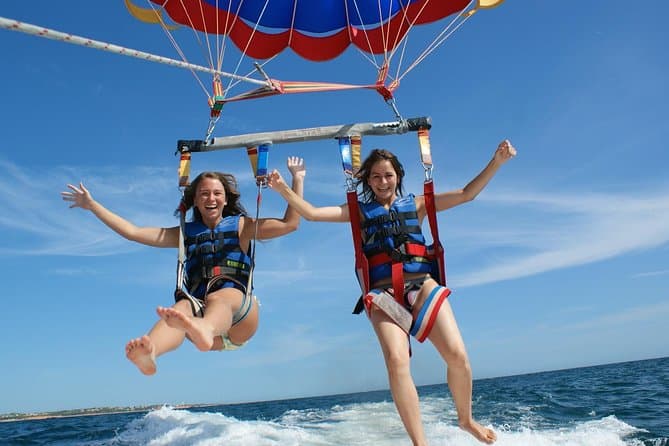
A parasail is connected by a towline to a boat or, in some land-based versions, another moving vehicle. Forward movement creates the airflow that lifts the canopy and participant. The tow operator controls speed and the broad path, while the participant usually has little or no steering responsibility. Many tourist parasailing experiences begin and finish from a boat platform or beach environment, making them fundamentally different from a foot-launched hill flight.
Parasailing may suit someone who wants a brief elevated view during a coastal holiday. Its risks and procedures relate to towing equipment, boat operation, weather, water conditions and launch management. Do not transfer assumptions from one sport to another. Ask about life jackets, harness attachment, towline inspection, operator experience and the procedure for changing conditions.
How paramotoring works
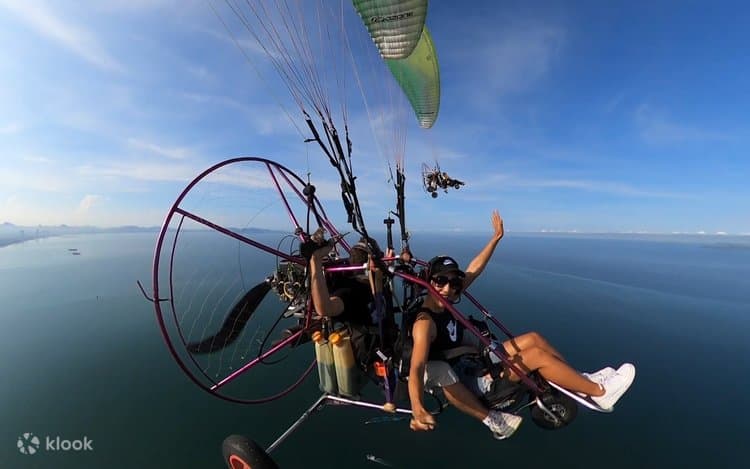
A paramotor provides thrust through an engine and guarded propeller attached to the pilot or a wheeled frame. This allows takeoff from suitable flatter areas and reduces dependence on hill lift, although safe wind, visibility, airspace and site permissions remain essential. The motor adds fuel, noise, mechanical systems, torque management and propeller hazards that do not exist in ordinary free-flight paragliding. Training must address those differences.
Powered flight can offer planned cruising over appropriate terrain, while paragliding focuses on working with natural air. Neither is automatically better. Someone drawn to quiet soaring and mountain skills may prefer paragliding; someone interested in powered aviation and flatter-site launches may explore paramotoring with a qualified school. Verify that the operator is describing the activity honestly and using suitable equipment.
Cost, control and experience
Prices cannot be compared only by minutes because the operating systems differ. A paragliding quote may include hill transport, pilot, wing, harness and optional media. Parasailing pricing may be tied to boat time or a shared session. Paramotoring includes powered equipment and fuel. Ask for current inclusions, passenger limits, cancellation terms and media rather than relying on an old headline price. In every activity, the professional operator retains operational authority.
Paragliding generally feels like gliding through open air; parasailing feels like being lifted and towed; paramotoring adds engine thrust and sound. Motion intensity depends on conditions and the chosen format. A classic tandem paraglider can be gentle, while acro is deliberately dynamic. Tell the operator what sensation you want and disclose motion sensitivity before committing.
Which activity should a beginner choose?
Choose paragliding for an authentic non-powered flight from the hills, parasailing for a tow-based tourist activity often associated with water, and paramotoring for a powered aviation experience. Beginners can experience commercial versions of all three without becoming pilots, but professional supervision and informed consent remain essential. For Kamshet visitors, tandem paragliding is the locally established option and connects directly with the region's flying culture.
Before booking, identify the exact sport, site, operator, equipment, passenger role and weather policy. Do not accept a guarantee that ignores conditions. Paragliding Mantra provides tandem paragliding and training in Kamshet; it should not be confused with a parasailing tow or powered paramotor ride. Choosing the correct name helps you compare the correct safety practices and arrive with realistic expectations.
Decided paragliding is for you?
Compare the tandem formats - classic, instructional and acro - or go straight to joyrides. Contact if you are unsure which fits.
Real moments
A closer look at the experience