The short version
Plan a Kamshet flight with this practical guide to the October-May season, daily wind windows, summer conditions and weather delays.
The short answer
The commonly recommended season for paragliding in Kamshet runs from October to May, with winter often offering comfortable temperatures and useful flying windows. Maharashtra Tourism also identifies October to May as the main period for paragliding in the region. That seasonal range is a planning guide, not a daily guarantee. Wind direction, speed, cloud development, visibility, rain and site conditions determine whether a particular flight can launch. Always confirm operations with the school close to the travel date and remain prepared for a delay, site change or reschedule.
There is no single best hour that applies every day. Morning air can be gentler on some days, while later heating may create lift suited to longer or more active flying. Strong afternoon cycles can also exceed safe passenger limits. The pilot and site team monitor actual conditions and select a window appropriate to the wing, passenger and flight type. A first-time tandem guest should choose flexibility over trying to force a specific sunset or exact time slot.
October and November: the season returns
After the monsoon, launch access and ground conditions need to settle before routine operations become reliable. October often marks the return of the Kamshet season, but the exact restart varies with rainfall and site readiness. November generally brings drier landscapes, improving access and clearer planning. These months appeal to travellers who want fresh green scenery after the rains. Because the season is restarting, confirm which takeoff is active and whether the selected tandem category is available rather than assuming every site and package opens simultaneously.
December to February: popular winter flying
Winter is popular because daytime temperatures are usually more comfortable for travel, waiting and outdoor activity. Clearer mornings and pleasant afternoons can make the overall trip enjoyable for families and groups. Popularity also means weekends, Christmas, New Year and holiday dates may fill earlier. Book ahead, arrive with an open schedule and carry a light layer for the launch. A cool day does not automatically mean ideal wind, so the normal weather assessment still applies. Visibility, direction and strength matter more than the calendar label.
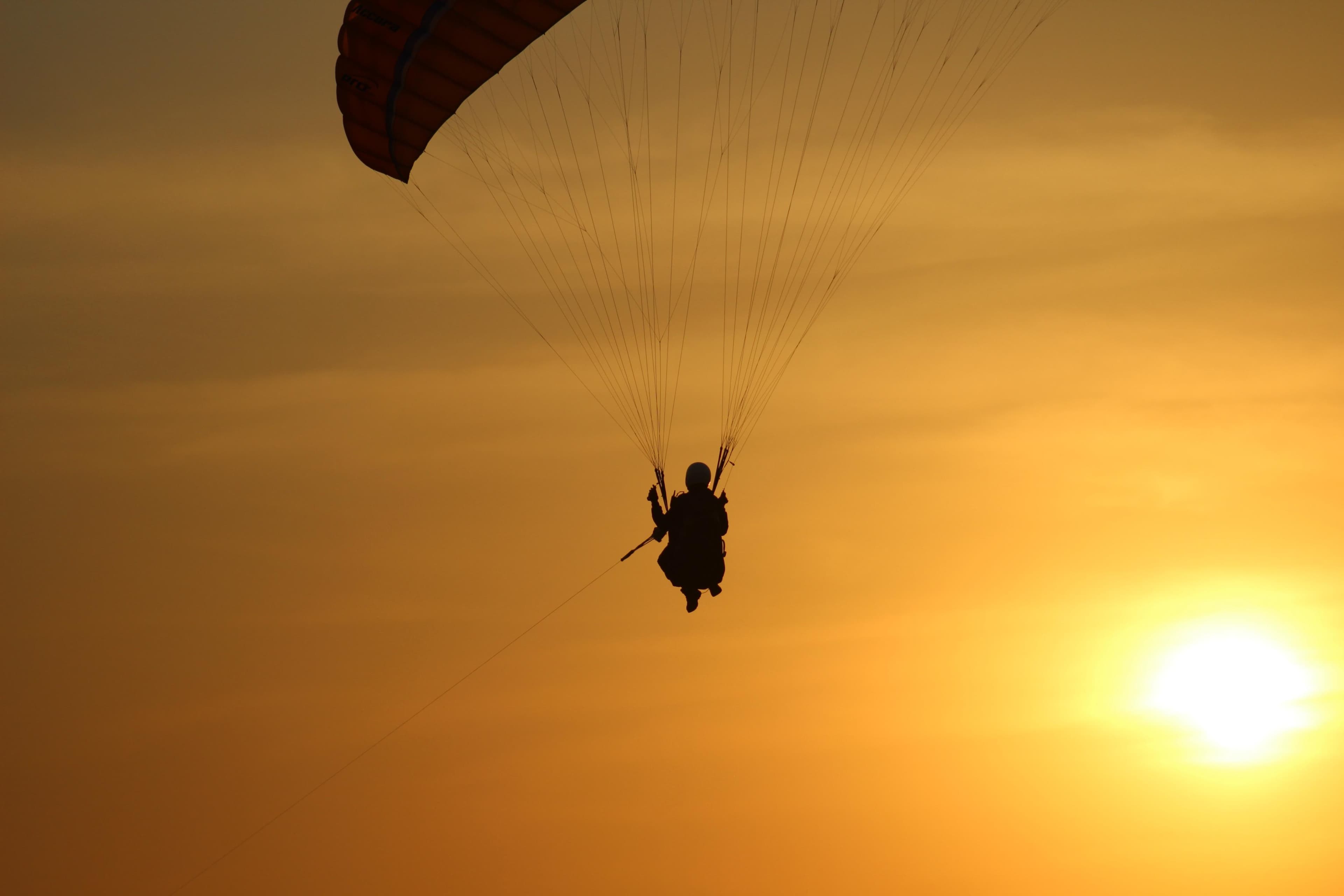
If photography is important, discuss the goal instead of demanding a sunset launch. Low sun can create attractive colour, but a safe launch and landing window takes priority. The operating team may recommend an earlier time or a different site. Build spare time into the itinerary so a weather hold does not disrupt trains, flights or hotel checkouts. Visitors travelling from Mumbai should avoid treating paragliding as a fixed one-hour appointment; transport to takeoff, briefing, waiting and retrieval all add time.
March to May: warmer and more active conditions
March begins the warmer part of the season. Surface heating can create more active air and useful lift, but it may also produce stronger cycles as the day develops. April and May can feel hot on the ground, making hydration, sun protection and appropriate clothing especially important. Experienced pilots may value thermic conditions, while a tandem operator may choose a gentler window for a first-time passenger. Do not interpret a sunny forecast as automatic approval to fly; bright weather can coexist with wind that is too strong, gusty or poorly aligned for a particular launch.
Plan summer visits with water, a hat for waiting, sunscreen and food, but remove loose accessories before launch. Wear secure shoes and light clothing that protects the skin. Avoid dehydration and tell the team if you feel unwell. The schedule may begin earlier or shift according to the site forecast. By late May, pre-monsoon instability can increase, so same-day confirmation becomes particularly important. Operators may pause before the first major rain if conditions become unsuitable.
June to September: monsoon limitations
The southwest monsoon brings rain, cloud, wet access roads and changing wind patterns across the Western Ghats. Routine hill flying in Kamshet is generally not promoted as a normal all-weather tourist activity during this period. Do not trust a seller who promises a flight solely because payment has been made. Use the monsoon for course research, fitness, travel planning and visiting suitable regional attractions. Operations should resume only when the responsible team is satisfied with weather, access and launch conditions.
Best months for learning, not just taking a tandem
Course students need repeated workable sessions, not one photogenic flight. October through February is often the easiest planning window for P1 and P2 because temperatures are comfortable and schools can use smoother periods for ground handling and early supervised flights. March through May can still support training, but stronger daytime heating may shift beginner work toward earlier or later windows and leave more theory or rest time in the middle of the day.
Book training with spare days whenever possible. A four-day calendar booking does not guarantee four identical flying days, and a school should not validate skills merely because a return ticket is fixed. Review the beginner course in Kamshet, then ask how weather days, accommodation extensions and unfinished exercises are handled before paying.
How forecasts and on-site decisions work
A phone forecast cannot show every feature at a hill launch. Pilots combine regional forecasts with observations at takeoff and landing, including wind direction, gusts, cloud growth and local airflow. Conditions can change between the meeting point and launch. This is why the final decision belongs to the operating pilot. Guests can improve the experience by keeping their phone available, following reporting instructions and accepting that a postponement is a legitimate safety outcome rather than failed service.
For the best chance of flying, choose a date within the October-May season, keep half a day available, avoid a tightly connected itinerary and provide accurate passenger details. Ask about the rescheduling policy before payment. Paragliding Mantra can recommend a reporting window, but no ethical operator can guarantee weather weeks in advance. The best time is ultimately the time when trained pilots judge that the conditions, equipment, site and passenger are suitable together.
Still have safety questions?
Safety is mostly about operator discipline - read how classic tandems are run, browse the FAQs, or ask us directly on contact. When you are ready, joyrides lists current formats.