The short version
Plan paragliding in Kamshet with a practical season, wind and weather guide. Learn when to book tandem flights, what changes after monsoon and how pilots make the daily safety call.
The short answer: Kamshet flies in windows, not guarantees
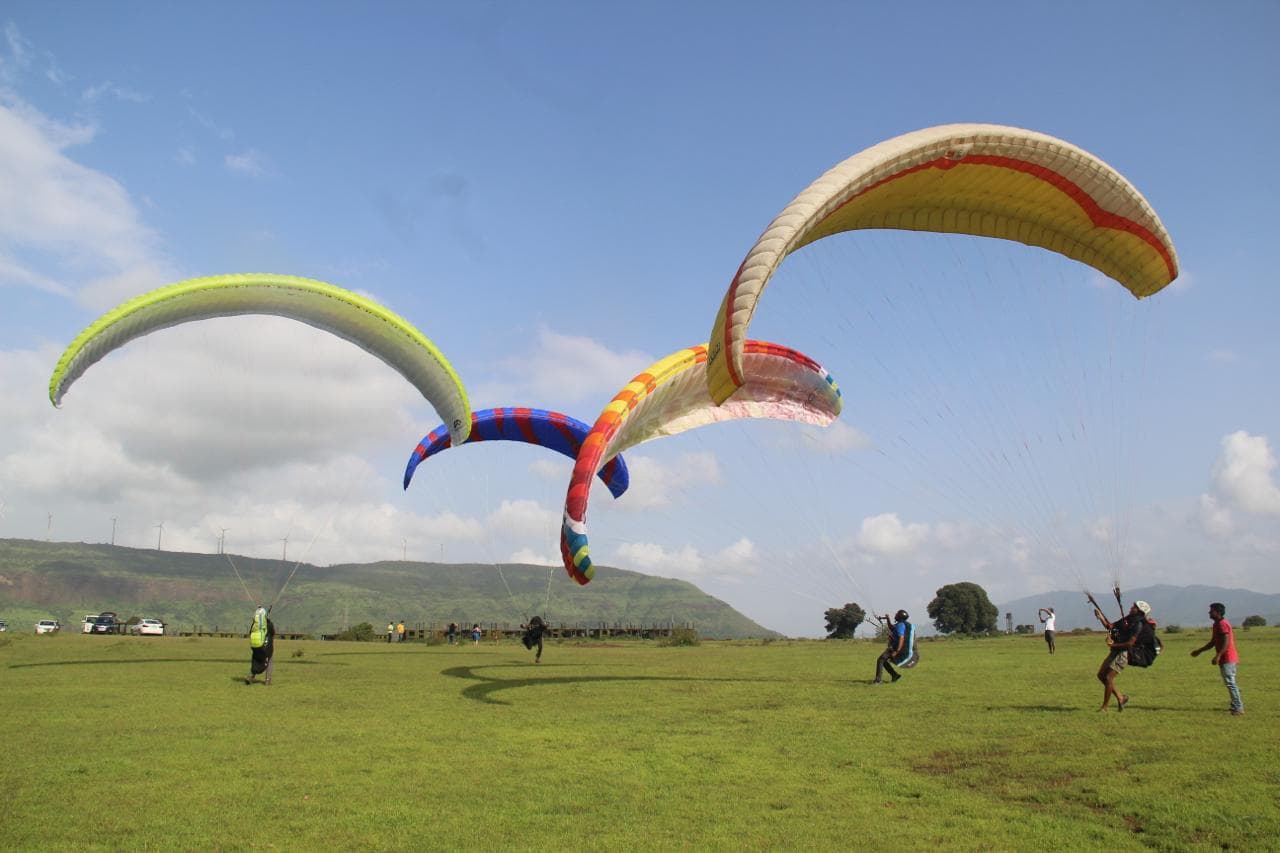
Kamshet is one of India's most accessible paragliding destinations because the Sahyadri ridges create dependable flying opportunities for much of the dry season. That does not mean every calendar date is flyable. Paragliding is an outdoor aviation activity, so the best time is the day when wind, cloud, visibility and thermal strength are suitable for the planned flight. A responsible operator confirms the weather close to the flight rather than promising airtime months in advance.
For a first-time tandem passenger, the most comfortable period is usually after the monsoon has withdrawn and before the hottest pre-monsoon afternoons become strong. October to May is the broad operating season, with November to February often favoured for pleasant temperatures and smooth morning air. March to May can provide longer soaring windows, but pilots may choose earlier launches when the sun heats the slopes.
What changes through the Kamshet season
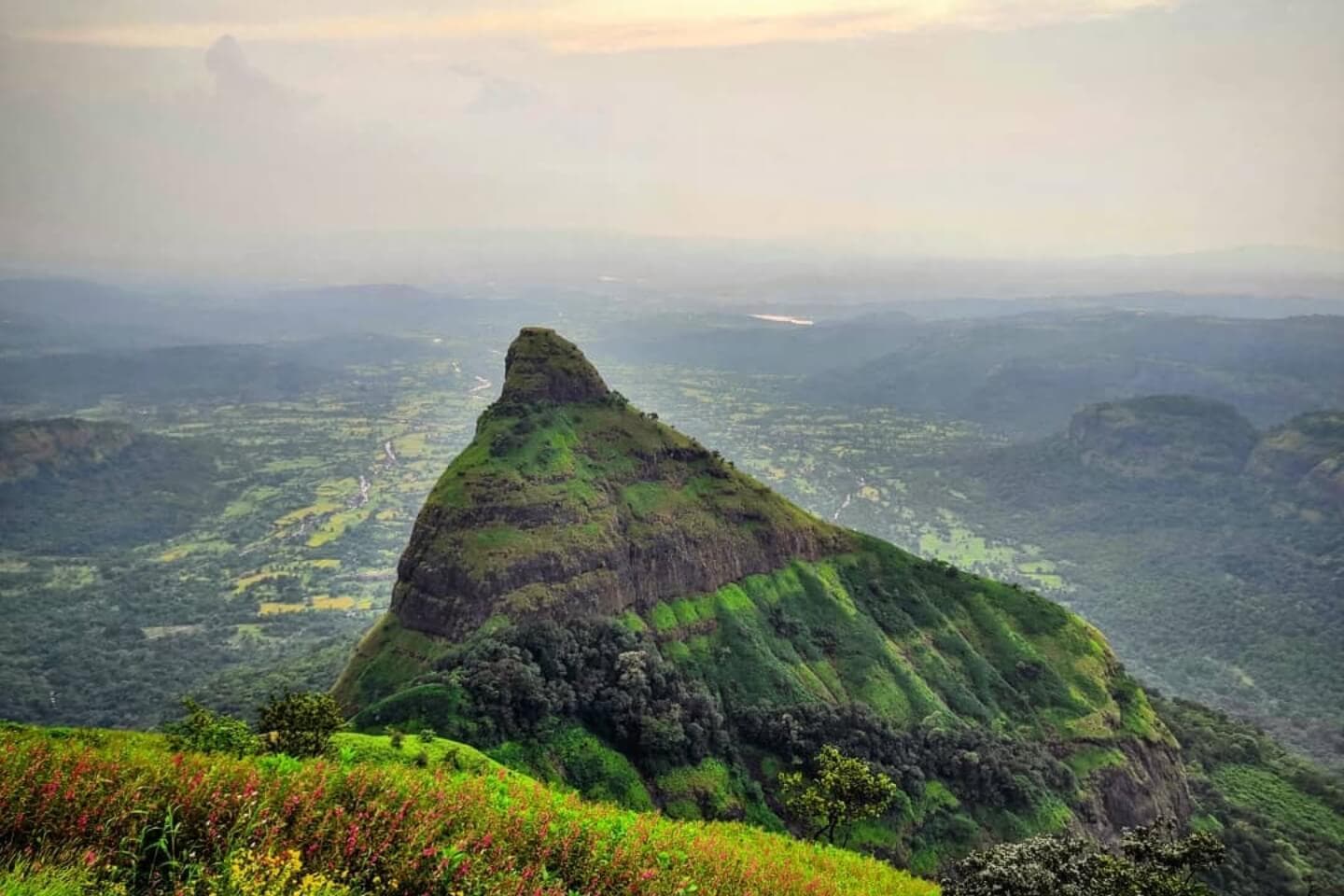
The landscape and air change together. The monsoon leaves the hills vivid green and the reservoirs full, while the first dry months gradually turn the slopes golden. Winter mornings can feel crisp and clear, and the low sun gives photographs a soft layered look. By late summer, the ground is warmer and the day can develop stronger thermals. None of these periods is automatically better for every passenger; they simply favour different experiences.
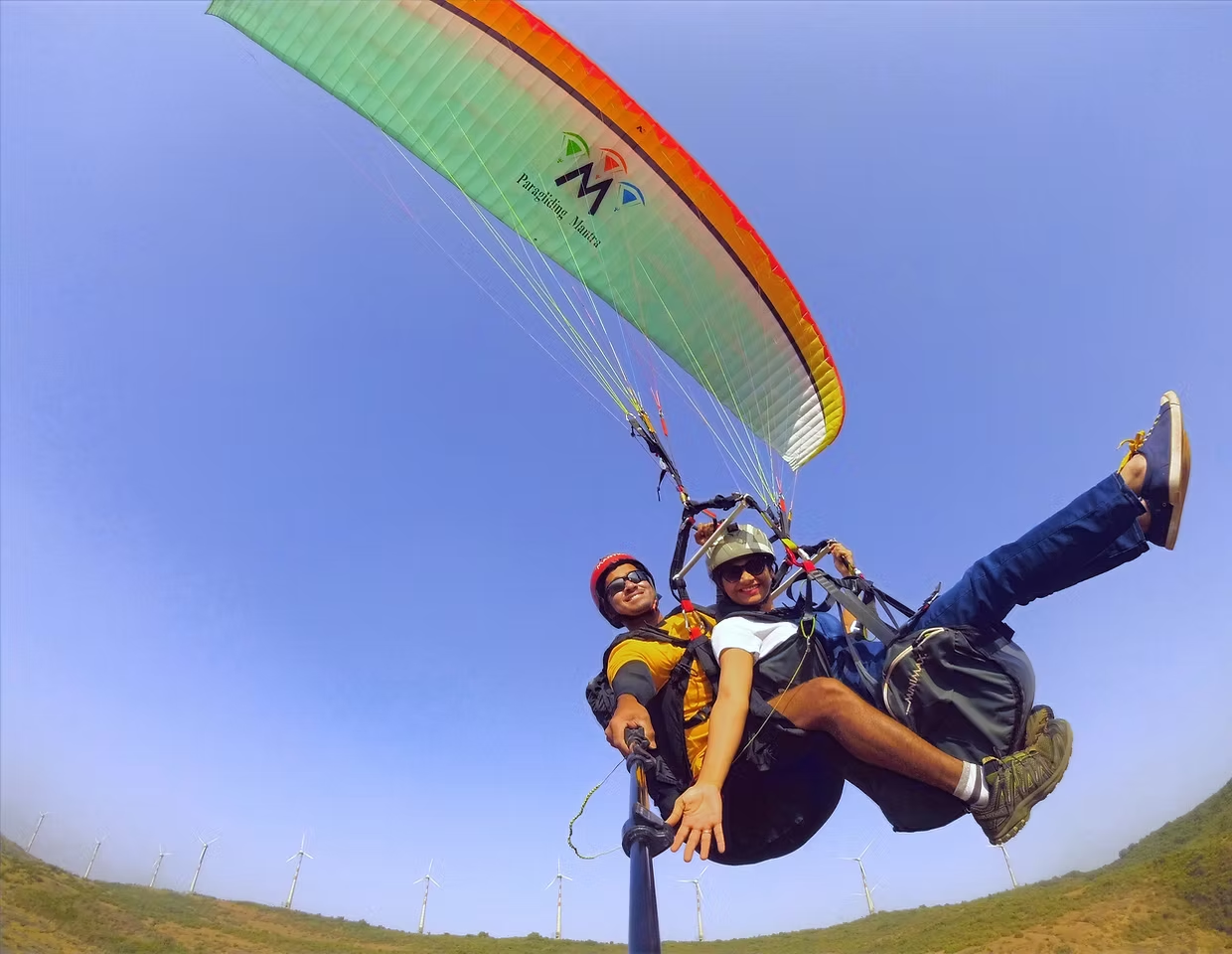
Classic joyrides normally seek a calm, comfortable window with enough lift to extend the flight. Instructional flights need a stable period in which a student can feel the controls without being overloaded. Acro tandem needs a narrower, carefully assessed window because dynamic manoeuvres add physical load. Your pilot therefore matches the product to the air rather than treating the season as a simple yes-or-no switch.
October and November: fresh green hills and reopening energy
The first post-monsoon weeks are visually spectacular. The ridges are green, Pawna Lake is usually full, and waterfalls may still thread through the valleys. The crew also returns from the monsoon break with freshly serviced wings, repacked reserves and renewed training energy. Early-season flying is deliberately conservative while pilots re-check launch surfaces, landing fields and local wind behaviour.
November is a strong choice for travellers who want scenery and comfortable temperatures without the deepest winter crowds. Mornings can be cool at the meeting point, so bring a light layer that can be removed after landing. Keep your schedule flexible by a day when possible; that small buffer helps the team move your flight if a forecast changes.
December to February: clear winter mornings
Winter is popular with visitors from Pune, Mumbai and Lonavala because roads are pleasant and the visibility is often excellent. The air can be calm early in the day, which suits a relaxed classic tandem and families who prefer a gentle introduction. Weekends and holiday dates fill quickly, so booking ahead matters more than finding a last-minute bargain.
The main trade-off is demand. A clear forecast attracts more groups, and operations still depend on the number of pilots, launch order and safe landing space. Arrive at the confirmed reporting time, complete the briefing before looking for photographs, and allow several hours around the activity rather than planning a tight onward train or airport connection.
March to May: warmer days and stronger flying decisions
Late winter and summer can deliver excellent soaring, especially for passengers who enjoy a little more time in the air. As the sun warms the slopes, thermals may build and the pilot can use rising air to stay up longer. The same heat can also make conditions more active later in the day, so morning slots are often the most comfortable option for beginners.
Wear breathable clothing, drink water before launch and tell the team if you are sensitive to heat or motion. A pilot may shorten, delay or change the flight style if the air becomes too active for a passenger. That is a sign of good judgement, not a failure to deliver the product; the safety call is always more important than an advertised duration.
Why monsoon is normally a pause
Kamshet receives heavy monsoon rain. Wet launch surfaces, low cloud, wind shifts, poor visibility and saturated landing fields make regular tandem operations unsuitable for long periods. The break also gives the school time to inspect equipment, maintain vehicles, refresh procedures and plan the next training cycle. A green photograph after the rain is beautiful, but the flying decision must follow aviation conditions rather than the view from the road.
If you are visiting during the rainy months, choose ground-based activities or keep your dates flexible for the official reopening. Never pressure a pilot to launch because you have travelled a long way. Weather cancellations are normally rescheduled under the operator's policy, and asking about that policy before payment gives you a clear plan.
Morning, afternoon or sunset: which slot is best?
Morning is the safest default for a first tandem in a warm season. The air is often smoother before strong surface heating develops, and the light over the valleys is soft. Midday and afternoon can be excellent when the forecast supports them, particularly for pilots who want soaring or for passengers who have already flown and understand how the wing moves.
Sunset slots are beautiful but should never be treated as guaranteed. The team needs sufficient daylight, a suitable wind direction and a landing margin. Ask what the operator means by a sunset flight: it may be a late-afternoon launch rather than a flight after the sun has dropped. The pilot's site assessment determines the final timing.
How pilots read a Kamshet forecast
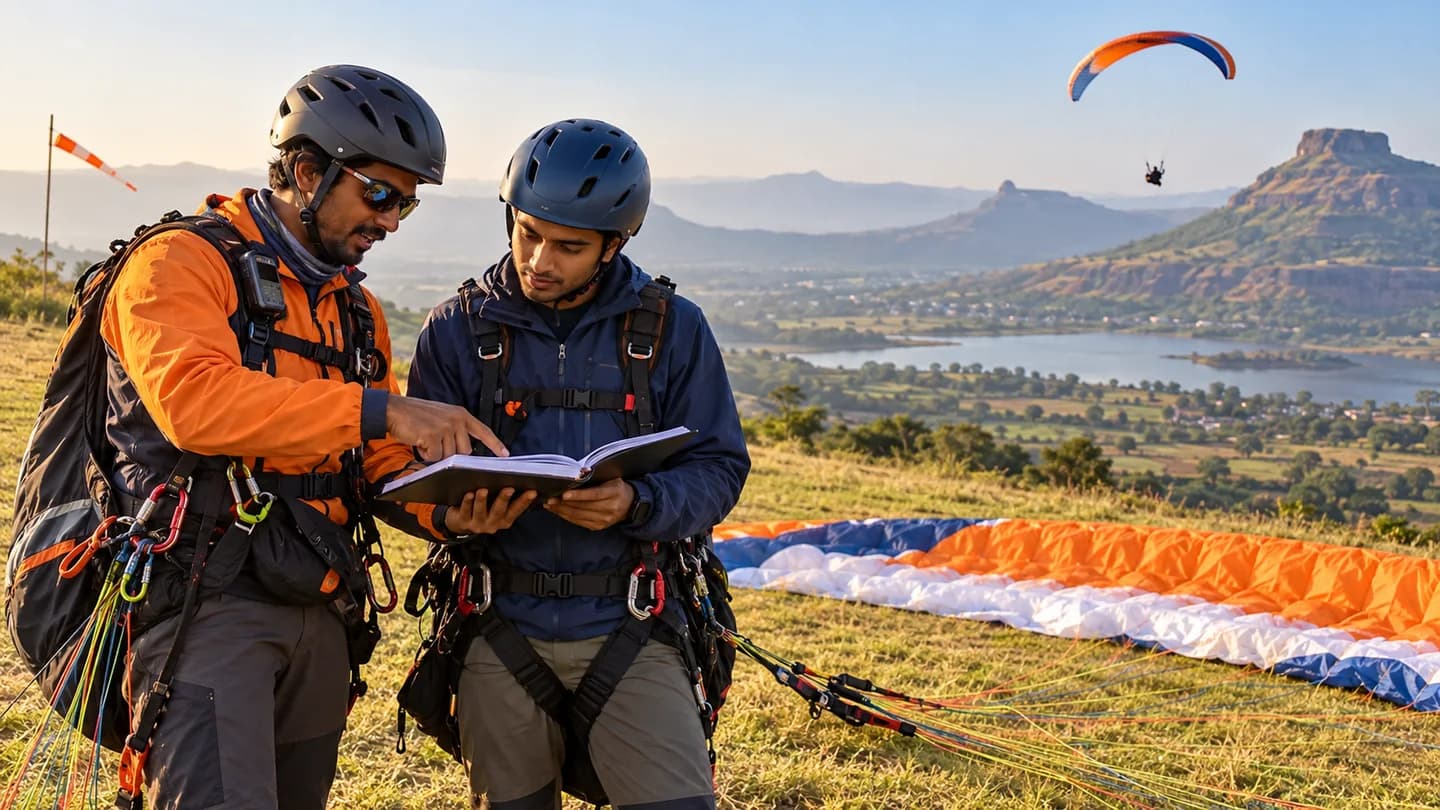
A weather app alone cannot tell you whether a launch is safe. Pilots combine the forecast with observations at the meeting point and launch: wind speed and direction, gust spread, cloud base, visibility, thermal activity, nearby rain and the behaviour of other wings. They also consider the site's terrain, traffic and landing approach. This is why a forecast that looks perfect on your phone can still result in a wait.
The most useful question is not 'will it definitely fly?' but 'what is the likely decision window and what happens if it changes?' A transparent operator explains the reporting time, the order of checks, the reschedule option and the conditions that would cancel a flight. That conversation is part of a good booking, not an inconvenience.
Choosing a season for your kind of flight
Choose October or November for green scenery, December to February for crisp sightseeing and easy road travel, and March to May for the possibility of stronger soaring with an earlier start. If you want acro tandem, prioritise a flexible date and let the pilot select a suitable window. If you are learning, choose a multi-day course so weather can be absorbed without rushing skills.
Families often value a short, calm classic tandem and a reliable meeting routine. Couples may prioritise photography and a shared date. Pilots training at P1 or P2 level need several weather days, ground practice and a school that explains the progression. The best season is therefore the one that matches your purpose, health, schedule and tolerance for a weather decision.
What to pack for a Kamshet flight
Wear closed sports shoes, comfortable trousers and a fitted top that will not catch on harness straps. Carry water, sunscreen, sunglasses with a secure strap and a light layer for the morning. Leave jewellery, loose scarves, drones and fragile items in the vehicle unless the crew specifically approves them. Phones and cameras are carried only in the way the pilot or media team permits.
Eat a light meal, avoid alcohol and arrive rested. If you have a medical condition, recent injury, pregnancy, neck or back concern, or a history of motion sickness, share it before booking. Weight and health limits are operational safety limits, not a judgement about fitness. The team can suggest a more suitable format or date when they have complete information.
How weather changes your booking
A confirmed booking is a place in the operating schedule, not a promise that the wing will launch in every weather state. On the day, the pilot may hold, move the reporting time, switch the site, change the flight format or cancel. Good operators communicate quickly and explain the next step. Keep your phone reachable and avoid travelling to a launch without a confirmation message.
If you are travelling from Pune or Mumbai, build a practical buffer into your itinerary. Kamshet is close enough for a day trip, but traffic, queues and weather can make a same-day onward connection stressful. A flexible hotel night or an open return plan turns a weather call into a manageable change instead of a crisis.
A simple planning calendar
Four to six weeks before your preferred date, choose the flight format, group size and two or three date options. One week before, confirm the operator's reporting point, health limits, payment and reschedule policy. The evening before, check the team's message rather than relying on an old forecast. On the morning, eat lightly, wear the right shoes and arrive at the exact reporting time.
For a course, plan more generously: reserve several consecutive days, expect weather extensions and ask how missed training is handled. For a joyride, two possible dates are usually enough. For a celebration, tell the team the occasion so the media, certificate or timing request can be planned without compromising the flight decision.
Book with a local team that explains the decision
Paragliding Mantra operates from Kamshet and serves visitors from Pune, Mumbai and Lonavala with tandem flights and structured pilot training. The team briefs passengers, checks equipment and lets the pilot make the final safety call. You can compare classic, instructional and acro options on the joyrides page, read the Kamshet guide, or send your dates through contact.
The most useful booking is an honest one. Tell the team what you want to feel, how flexible your day is and any health or mobility concern. They can then recommend a season, slot and flight format that fits the real conditions rather than a generic promise made before the forecast exists.
Final checklist before you choose a date
Choose a dry-season window, keep one backup date, confirm the reporting point and read the cancellation policy. Check your clothing, travel time and health disclosure. Ask who will make the weather call, what happens when the flight is postponed and whether the selected format changes if conditions become gentler or stronger. These questions make the day calmer for everyone.
Kamshet rewards patience. The best flight is not necessarily the longest or latest one; it is the one flown in an air mass the pilot is happy to manage with your comfort and safety in mind. Plan for the season, then let the sky choose the exact hour.