The short version
Learn why routine Kamshet paragliding is limited during monsoon, which weather hazards matter and how to plan safely for the next season.
The practical answer
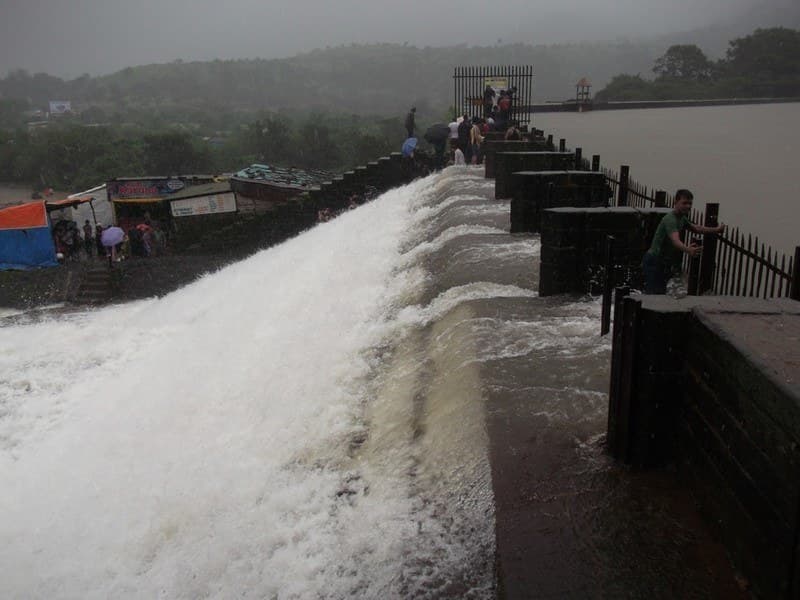
Routine tourist paragliding in Kamshet is generally limited during the southwest monsoon. Persistent rain, low cloud, reduced visibility, wet launch surfaces, difficult road access and rapidly changing winds can make normal hill operations unsuitable. The main season is commonly described as October to May, and Maharashtra Tourism also identifies that period for paragliding in Kamshet. A dry hour during June, July, August or September does not automatically create an acceptable flying window. The responsible pilot must assess the complete weather pattern, launch, landing field and access—not just whether rain has paused.
Some online listings use phrases such as year-round adventure without explaining seasonal restrictions. Treat such claims carefully. A booking confirmation cannot override weather, and a clear view from a hotel does not prove that the active launch has safe airflow. Contact the operator before travelling and ask whether regular tandem operations are genuinely open. If the answer is conditional, keep transport and accommodation flexible.
Why rain creates more than a comfort problem
A paraglider wing is designed to fly in air, not through sustained rain. Water can affect the fabric, airflow and handling, while rain also reduces visibility and may accompany unstable conditions. Wet grass and mud make the launch run less secure, particularly for a tandem pair that must move together. Landing fields can become slippery or waterlogged. Even after a shower, the site may need time to drain and the broader weather may remain unsuitable.
Cloud around the Western Ghats can hide terrain and remove visual references required for normal flight. A pilot must maintain appropriate visibility, separation and a clear landing plan. Flying into cloud is not an acceptable shortcut to satisfy a booking. Thunderstorms add strong vertical movement, gust fronts and lightning risk, sometimes far from visible rain. Operators should monitor development across the region rather than waiting only for drops at takeoff.
Wind direction and gusts during monsoon
Monsoon flow can be strong, gusty and poorly aligned with a particular hill. Wind striking complex terrain may create turbulence and rotor on the sheltered side. A simple phone forecast at town level cannot describe every slope. Pilots use forecasts alongside direct observation at launch and landing, but the seasonal pattern can leave few appropriate opportunities for routine passenger flying. Conditions that an expert discusses academically are not necessarily conditions suitable for a commercial tandem.
Strong wind is not automatically better because a paraglider needs airflow. Excessive wind can make ground handling, launch penetration and landing difficult. Very weak or crosswind conditions can also prevent a clean launch. The usable range depends on the site, equipment, pilot, passenger and trend. Monsoon decisions therefore cannot be reduced to one universal speed number shared on social media.
Site access and ground operations
Kamshet flights may involve rural roads, hill tracks and local transport. Heavy rain can damage access, soften ground and complicate emergency movement. A launch can look visually attractive while the route to it or the landing area remains unsuitable. Responsible reopening considers the complete operation: vehicles, crew communication, wing preparation, safe spectator areas, retrieval and the ability to respond if something changes.
Guests should not attempt to reach a known takeoff independently during monsoon. Old map pins may lead through private land or deteriorated roads, and the active site changes with conditions. Use the confirmed meeting point and follow local instructions. If operations are closed, respect barriers and landowner requirements rather than hiking onto a launch for photographs.
What to do in the region instead
The monsoon transforms the Sahyadris into a green landscape and can still support a worthwhile trip. Visitors may explore recognised viewpoints, caves or waterfalls when official access is open, but heavy rain creates its own road, flooding and rockfall risks. Check Maharashtra Tourism and local-authority notices. Pawna-area stays, local food and carefully selected indoor or low-risk activities can replace a flight without pretending that monsoon weather is harmless.
Aspiring pilots can use this period to research schools, understand course progression, improve general fitness and read about meteorology and equipment. Do not buy a wing or practise independently from online instructions. Ground training also requires qualified supervision and suitable conditions. A school can explain when its structured programme restarts and what preparation is genuinely useful.
Can you paraglide year-round in Kamshet?
No—not as a dependable commercial activity. October through May is the practical planning season, while June through September is normally interrupted by the southwest monsoon. Even inside the main season, an individual day can be cancelled for wind, cloud, rain, visibility, access or landing conditions. “Season open” means operations can be considered; it does not mean every date and hour is flyable.
If a listing advertises Kamshet paragliding throughout all twelve months, ask which launch is operating, who makes the weather call and what refund or reschedule policy applies. Do not make non-refundable travel plans around an unverified monsoon promise. The best-time guide covers the useful differences within the October–May season.
Planning for the post-monsoon season
Operations do not restart simply because the calendar reaches October. Rainfall, launch condition, road access and wind determine the actual opening. Follow the operator's verified channels and request a current update before paying for travel. Early-season scenery can be beautiful, but some sites may reopen later than others. Ask about the meeting point, package, passenger requirements and weather-rescheduling policy.
The safest answer to monsoon paragliding is not a promotional yes or an absolute statement about every day. It is that regular Kamshet tandem flying is seasonally constrained and every exception requires professional assessment. Paragliding Mantra will confirm whether operations are active for a requested date. If the team postpones, use the decision to protect the experience and return during a suitable window rather than searching for someone willing to ignore the same conditions.
Still have safety questions?
Safety is mostly about operator discipline - read how classic tandems are run, browse the FAQs, or ask us directly on contact. When you are ready, joyrides lists current formats.