The short version
A calm, step-by-step first-timer guide to tandem paragliding in Kamshet: arrival, briefing, harness, launch, flight, landing, photos and what the pilot handles for you.
Before you arrive: a flight is a process, not a theme-park ride
A tandem flight looks effortless in a photograph, but a calm experience comes from a sequence of careful decisions. The team confirms the booking, checks the forecast, chooses a suitable site, inspects equipment, briefs the passenger and waits for a safe launch window. Knowing that sequence removes much of the mystery for a first-time flyer.
Your role is simple but important: arrive on time, disclose health information, wear the right clothing, listen to the pilot and follow the launch and landing commands. The pilot controls the wing and makes the aviation decisions. You do not need prior experience, athletic skill or knowledge of knots to enjoy a classic tandem.
Step one: reporting and registration
At the confirmed meeting point, the ground team checks your booking, group and practical limits. You may be asked about age, weight, mobility, medical conditions, recent injuries and motion sensitivity. These questions are not a test or a judgement; they help the pilot choose a safe harness fit and an appropriate flight profile.
Use this moment to say what you want from the experience. Tell the team if you prefer a quiet scenic flight, want photographs, are nervous about heights or are curious about the controls. Honest information gives the pilot a chance to plan. Hiding a condition because you fear losing the booking is unsafe for you and the crew.
Step two: the briefing
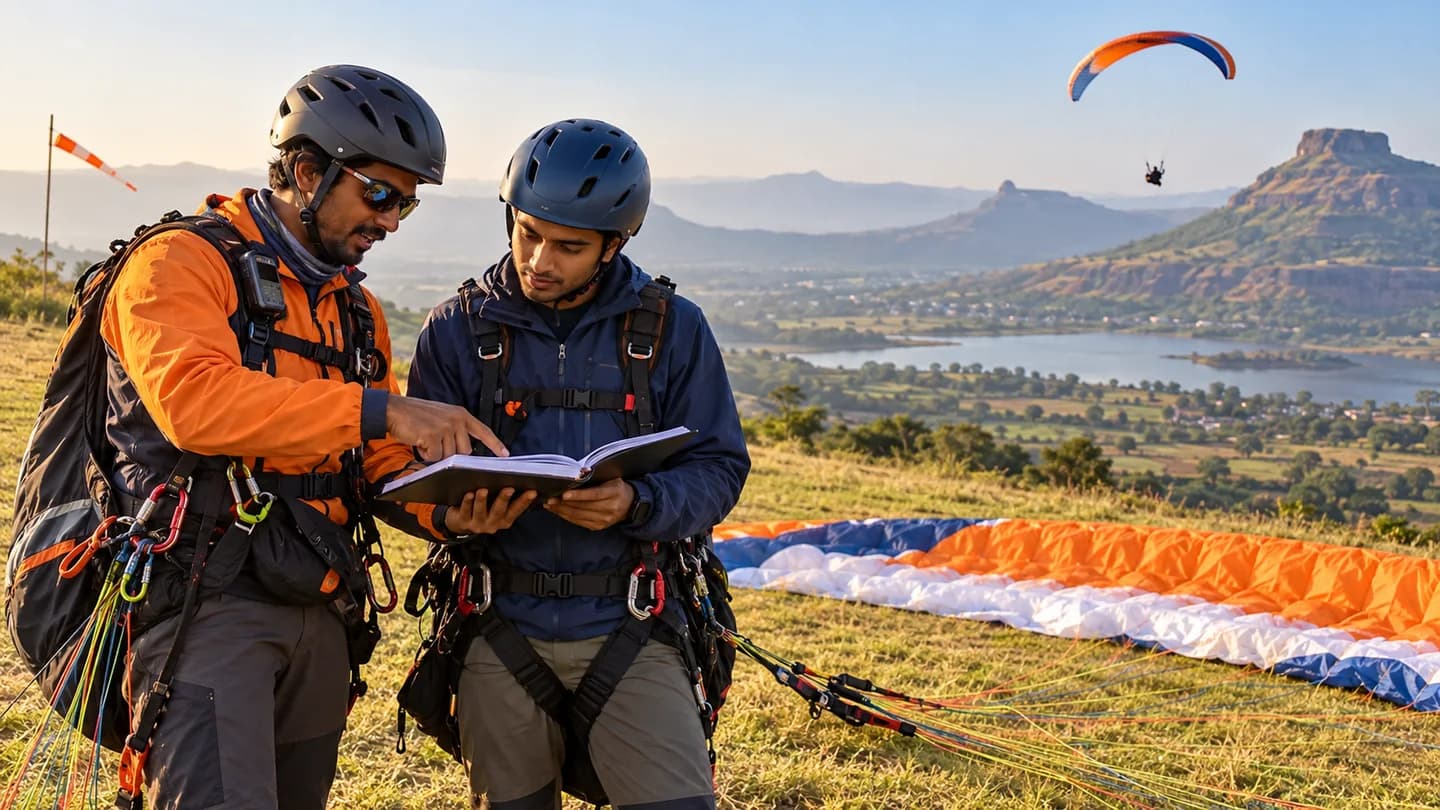
The briefing covers the run-up, body position, commands, harness behaviour and landing. The most important instruction is usually to keep running when told during launch, then sit back only after the pilot says the wing is flying. At landing, you may be asked to stand or take a few steps; the pilot will explain the timing for your flight.
Ask questions until the sequence feels clear. You will not be expected to remember technical terms, but you should recognise the pilot's voice and commands. Watch another group only if the ground crew says it is safe; the active briefing for your own flight always takes priority over a photograph or conversation.
Step three: getting into the harness and helmet
The crew fits a tandem harness, leg straps and helmet, then checks the connections with the pilot. The harness is designed to support you in a seated position once airborne. It can feel snug on the ground, especially before the weight is carried by the wing. Do not adjust straps yourself after the final check; ask the pilot if something feels wrong.
Secure phones, glasses and hair according to the team's instructions. Loose items can fall or interfere with lines. If you need a camera or media recording, use only the approved mount or hand position. Safety equipment is part of the flight, not an optional accessory that can be traded for a better selfie.
Step four: walking to launch
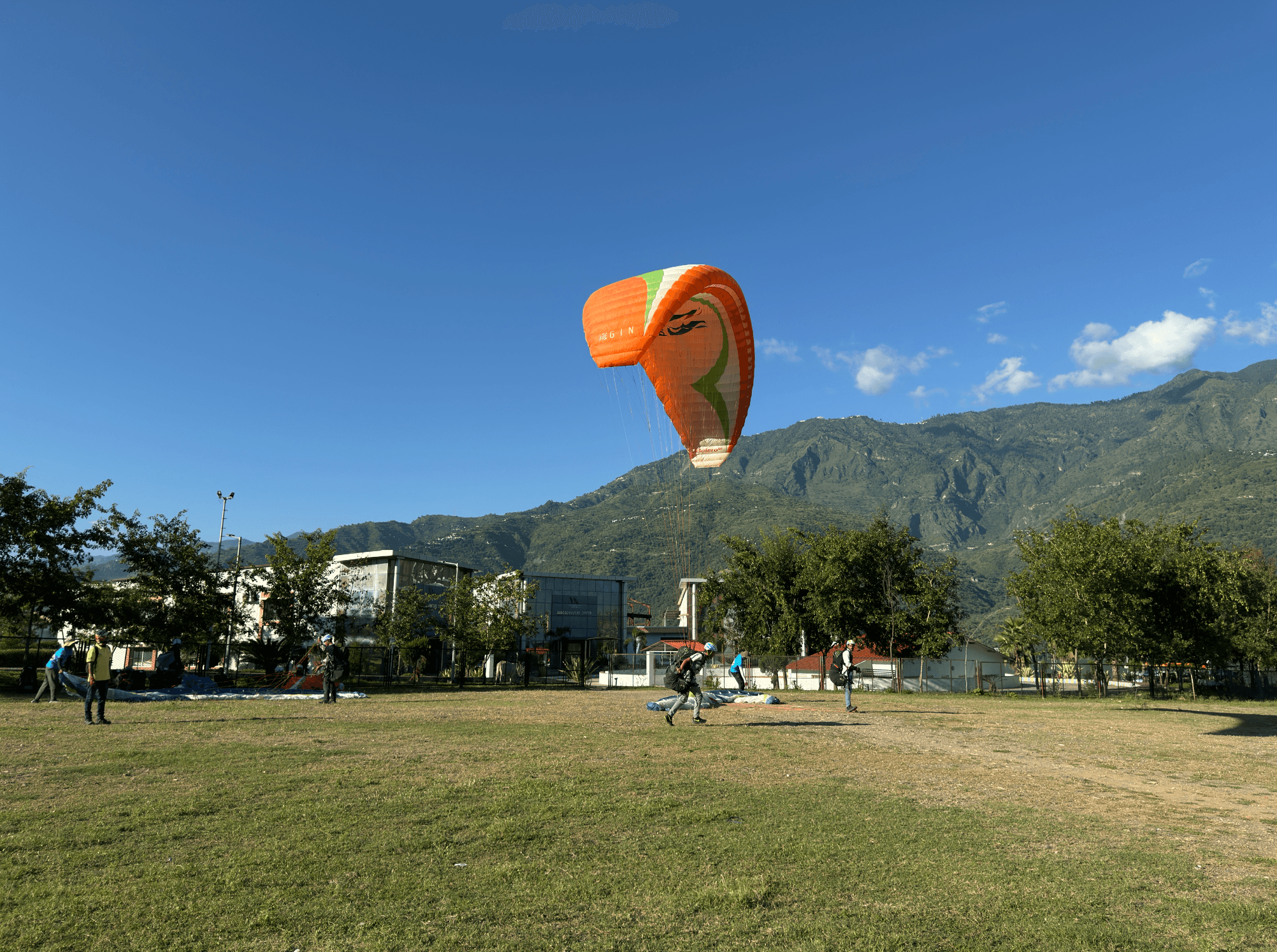
The launch may be a short walk or a vehicle transfer from the meeting point. At the site, the pilot lays out the wing, checks the lines and waits for the wind. You may see the canopy inflate and collapse during preparation; that is a normal ground-handling check, not a failed take-off.
Stay where the ground team places you and keep clear of lines and the wing fabric. The pilot needs a clean space to inspect the canopy and turn it into the wind. This is a good time to breathe slowly and look towards the horizon rather than down the slope if heights make you anxious.
Step five: the launch
When the wind is right, the pilot connects you, inflates the wing and checks that it is overhead. You will be told when to run. Take confident, short steps in the direction shown, keep your body forward and do not sit down early. The pilot may ask you to continue for a moment after your feet feel light; that keeps the wing flying cleanly away from the slope.
A tandem launch is usually over in seconds. If the wing is not perfectly positioned, the pilot may abort and reset. That is a normal safety skill, not a reason to panic. Trust the command, keep moving until told to stop and let the pilot manage the canopy. Once airborne, the harness supports you and the intensity usually drops quickly.
Step six: settling into the flight
After launch, the pilot checks the wing, terrain, traffic and air before helping you settle into the seated harness. You can look around, point out landmarks and enjoy the view. The wing may bank gently in turns and rise or sink as it moves through air; small movements are normal and do not mean anything is wrong.
The classic flight is designed around a comfortable scenic experience. If you feel nervous, keep your breathing slow and tell the pilot. They can explain the movement, change the turn pattern or reduce intensity when conditions allow. Communication is easier than silently holding discomfort until landing.
What the pilot is doing while you look at the valley
The pilot is constantly reading the canopy, wind, terrain, cloud, other aircraft and landing options. They may make small brake and weight-shift inputs that you barely notice. They also decide whether to circle in lift, continue on glide or head towards the landing field. A smooth ride is evidence of many active decisions, not an autopilot setting.
You may be invited to hold the brakes or feel a gentle turn on an instructional tandem, but the pilot retains the primary controls and can take over immediately. If you want a pure sightseeing ride, say so. If you want to learn, choose the instructional format when booking rather than expecting a classic flight to become a lesson without warning.
Photos, videos and the best way to remember it
Media is usually captured by a mounted camera, handheld device or ground photographer according to the package. The pilot decides when a camera can be used and where it is secured. Follow the instruction exactly; reaching for a loose phone while the wing is active is not worth the risk to the flight.
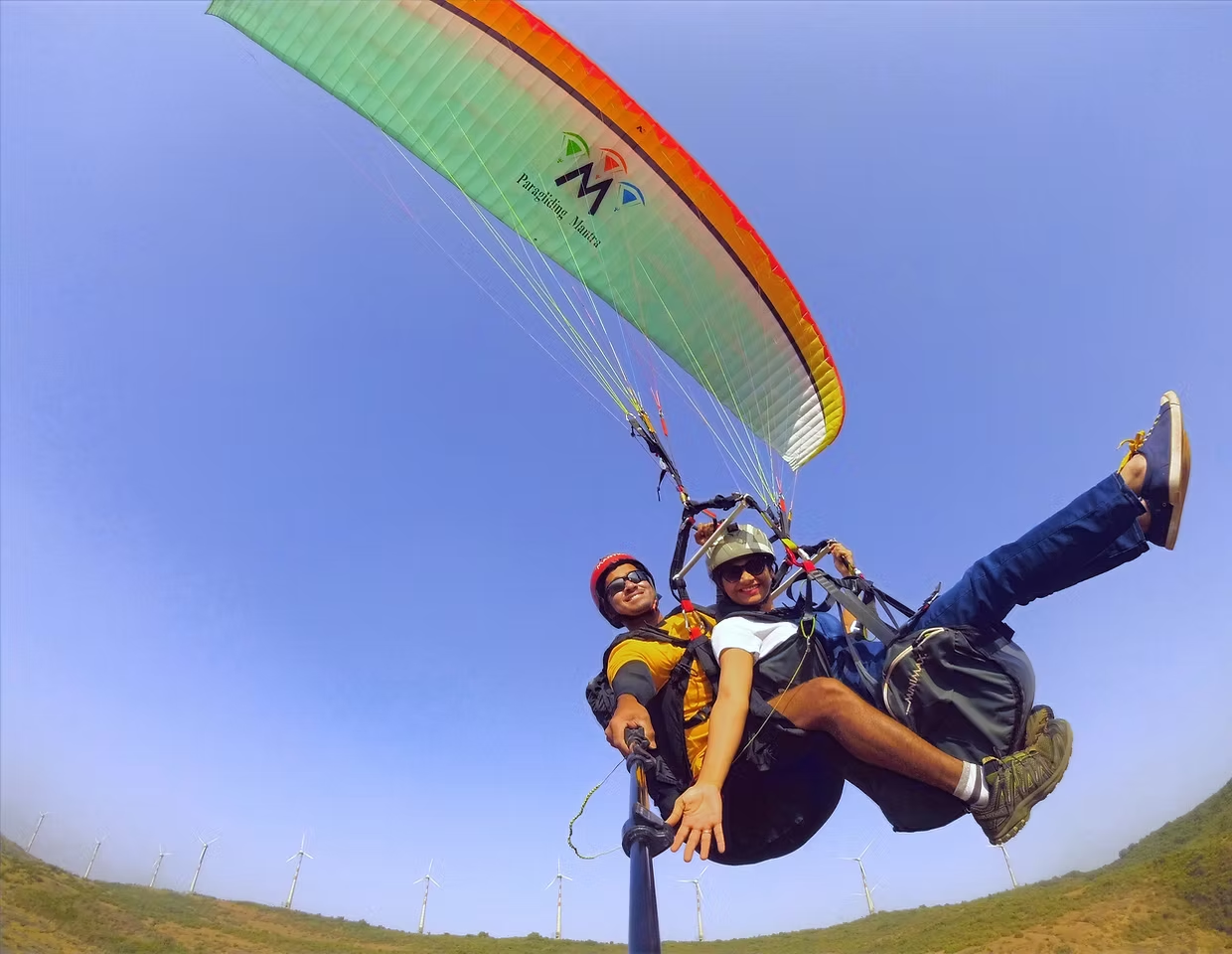
The best photographs often happen when you are relaxed: look towards the valley, keep your hands where instructed and let the pilot create the angle. Tell the media team if you want a group frame, lake view or certificate image before launch. They can plan the request without adding pressure in the air.
If you feel fear, nausea or discomfort
Fear of heights is common because a launch slope looks different from a stable harness in the air. Focus on the briefing, follow the run command and look towards a distant ridge rather than straight down. Once the wing is flying, many passengers find the experience quieter than expected. Tell the pilot if your fear remains strong; reassurance works better when the crew knows.
Motion sickness can occur during turns or in active air. Eat lightly, avoid alcohol and bring any usual medication only if it is safe for you and approved by your doctor. Say 'I feel unwell' early. The pilot can reduce movement or land when practical; waiting until symptoms become severe makes the flight harder for everyone.
Step seven: the approach and landing
As the flight ends, the pilot leaves the lift area and sets up an approach to the landing field. They may brief you again on leg position and the landing command. Keep your legs ready, follow the pilot's timing and do not try to stand before they tell you. The landing can be a gentle run or a seated finish depending on the wind and field.
After touchdown, stay connected and follow the ground crew until the wing is secure. Do not walk through lines or release buckles without instruction. A landing field is part of the active operation, so photographs can wait until the pilot confirms that you are clear and safe.
After landing: equipment, media and certificate
The crew disconnects the harness, collects the wing and checks that everyone is accounted for. This is when you can safely take photographs, ask questions and review your media delivery. If your package includes a joyride certificate, confirm the passenger name and flight format before it is issued; small spelling corrections are easier immediately.
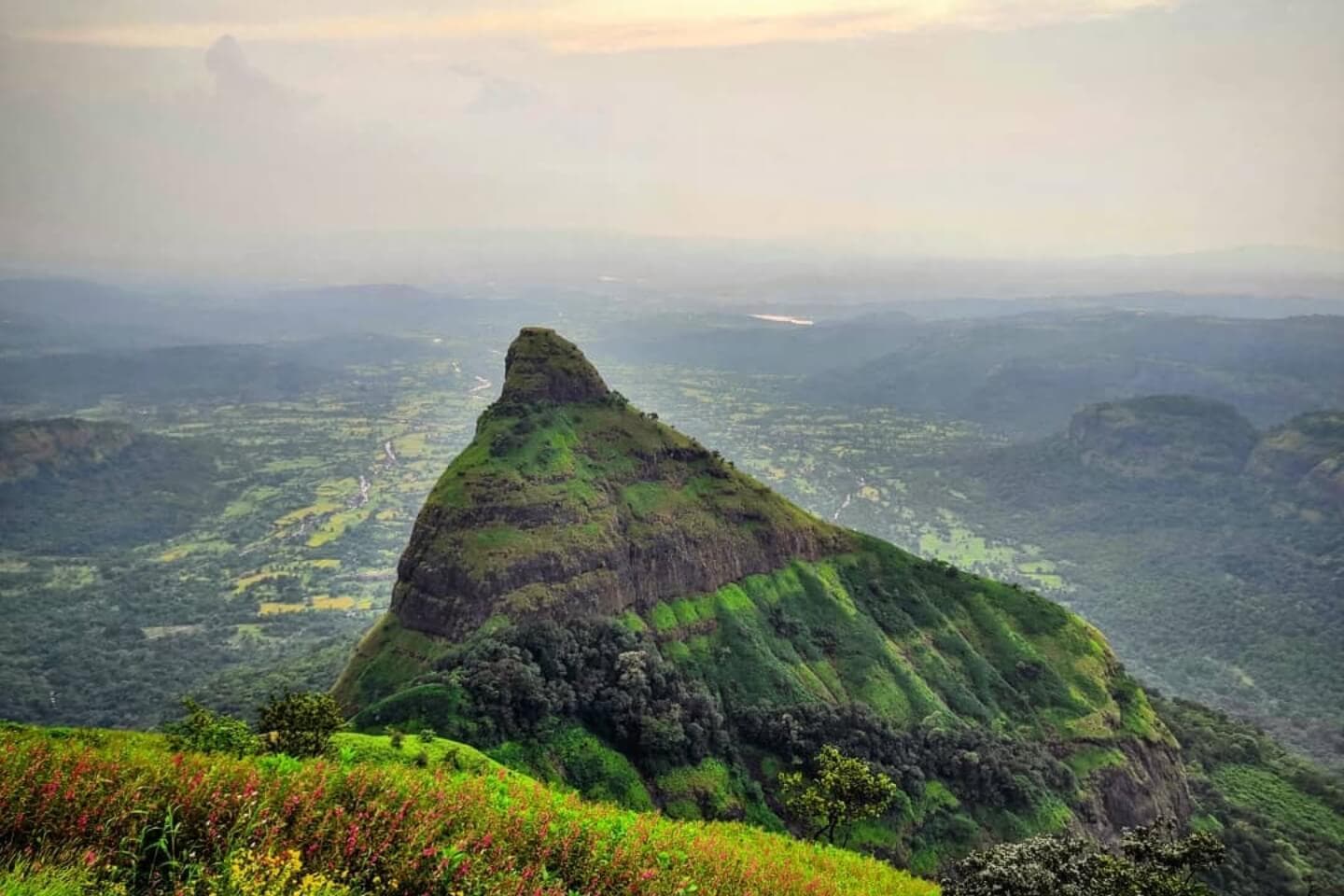
Use the post-flight conversation to understand what you felt. Ask about the route, the air and the wing if you are thinking about training. Many first-time passengers discover that a tandem is the beginning of a longer interest, while others simply leave with a memorable view of Pawna Lake and the Kamshet ridges.
Classic, instructional and acro: choose before the day
A classic joyride prioritises a relaxed introduction. An instructional tandem gives you supervised control inputs and a look at pilot skills. An acro tandem includes dynamic manoeuvres and needs a stronger health and weather conversation. Decide the format before arriving so the right pilot, equipment and time window can be planned.
Do not ask a classic pilot to add acro spontaneously or assume a scenic booking includes a lesson. Each product has a different purpose. You can compare the formats on the joyrides page or ask Paragliding Mantra through contact if you are unsure which experience fits your group.
Safety questions every first-timer can ask
Ask who the pilot is, what equipment is used, how reserves and harnesses are checked, what the weather policy says, where the landing field is and what you should do at launch. A professional team will answer in plain language. You do not need to challenge the pilot; you need enough information to understand the plan and follow it.
Also ask what is not guaranteed. Start time, exact route, airtime, launch site and media can change with the air. Those limits are normal in free flight. A team that explains them before payment is more trustworthy than one that promises an identical experience regardless of the sky.
How to prepare your body and mind
Sleep well, eat a light meal, hydrate and wear comfortable closed shoes. Avoid alcohol and arrive with enough time for the briefing. If you have a heart, neck, back, blood-pressure or mobility concern, pregnancy, recent injury or medication question, disclose it before booking. The pilot can only make a safe decision with accurate information.
Expect a few minutes of waiting and several quick changes of attention. The crew may pause while another wing lands, move you into shade or reset the canopy. Patience is part of the experience. The safest flight is often the one that begins after the team has waited for the right moment.
A first-timer's day with Paragliding Mantra
Paragliding Mantra welcomes first-time passengers in Kamshet, within reach of Pune, Mumbai and Lonavala. The team provides the briefing, tandem equipment and pilot-led flight process, with classic, instructional and acro options subject to the day. Start at the Kamshet guide, compare joyrides and send your date through contact.
The goal is not to make you feel like an expert before launch. It is to make the sequence clear, fit the equipment correctly and give the pilot enough information to choose a suitable flight. You bring curiosity; the crew brings the aviation decisions and the local knowledge.
The simple version to remember
Arrive, listen, run when told, sit back when told, keep loose items secure, speak up if you feel unwell and wait for the landing command. Everything else belongs to the pilot and ground team. Once the wing is flying, look up at the ridge, breathe and let the view become the story you came for.
A tandem flight is carefully managed, but it should still feel joyful. Good preparation removes avoidable worry so you can notice the colour of the canopy, the quiet of the air and the shape of Kamshet below. That is what a first flight is meant to give you: a clear, safe introduction to the sky.